
I guess I could blame Netflix.
If ever there was a persuasive tool for the travel-minded, any movie filmed in an exotic location - particularly ones featuring azure oceans - is the linchpin. Take movies such as Guy Richie’s Operation Fortune: Ruse de Guerre (2024), The Water Diviner (2014), or the 23rd James Bond instalment of Skyfall (2012), and you can see why Turkiye’s southern coast has been likened to a mini Amalfi Coast in Italy.
Pebbley beaches framed by both mountain and sea make this stretch of the country utterly irresistible.
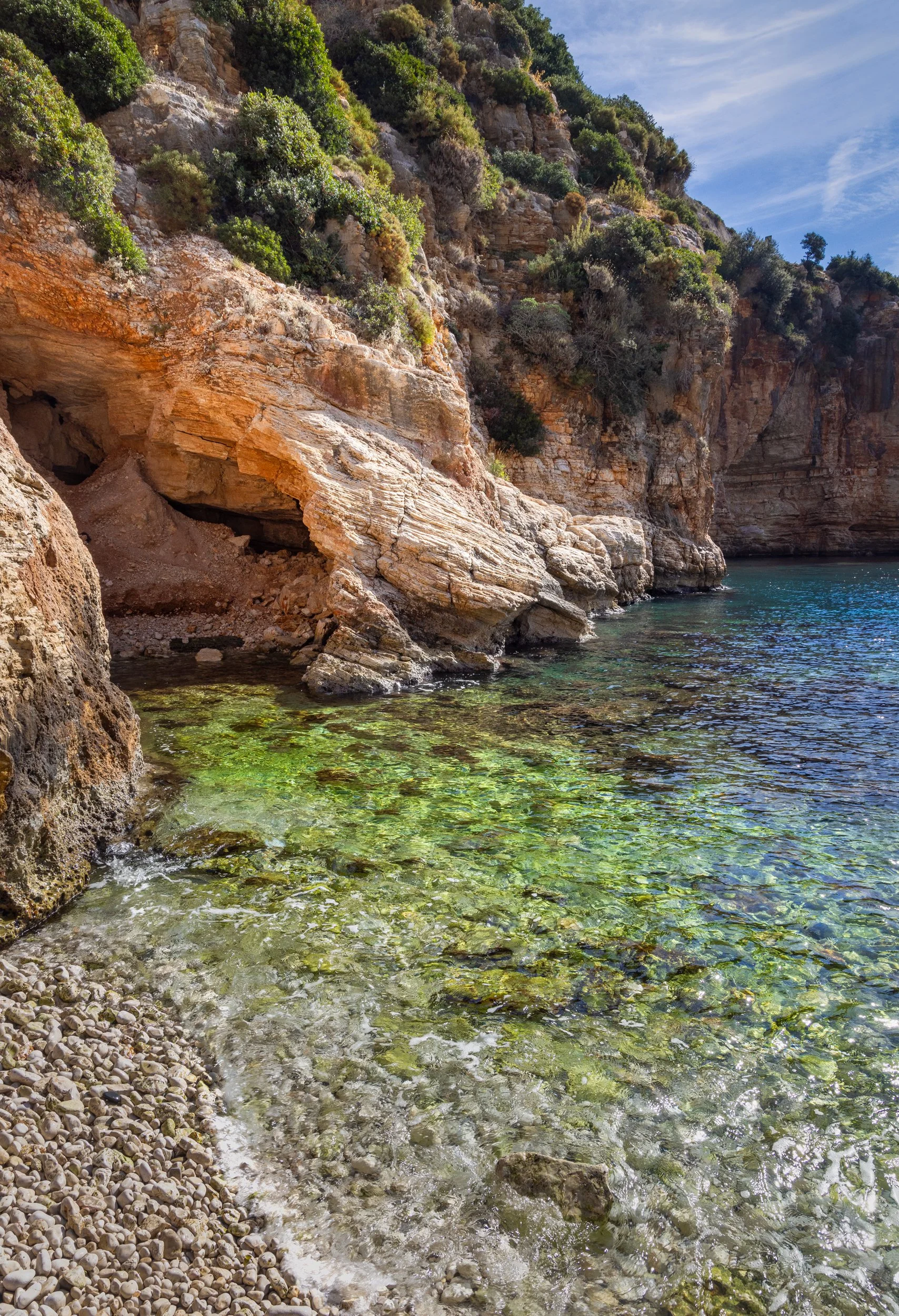
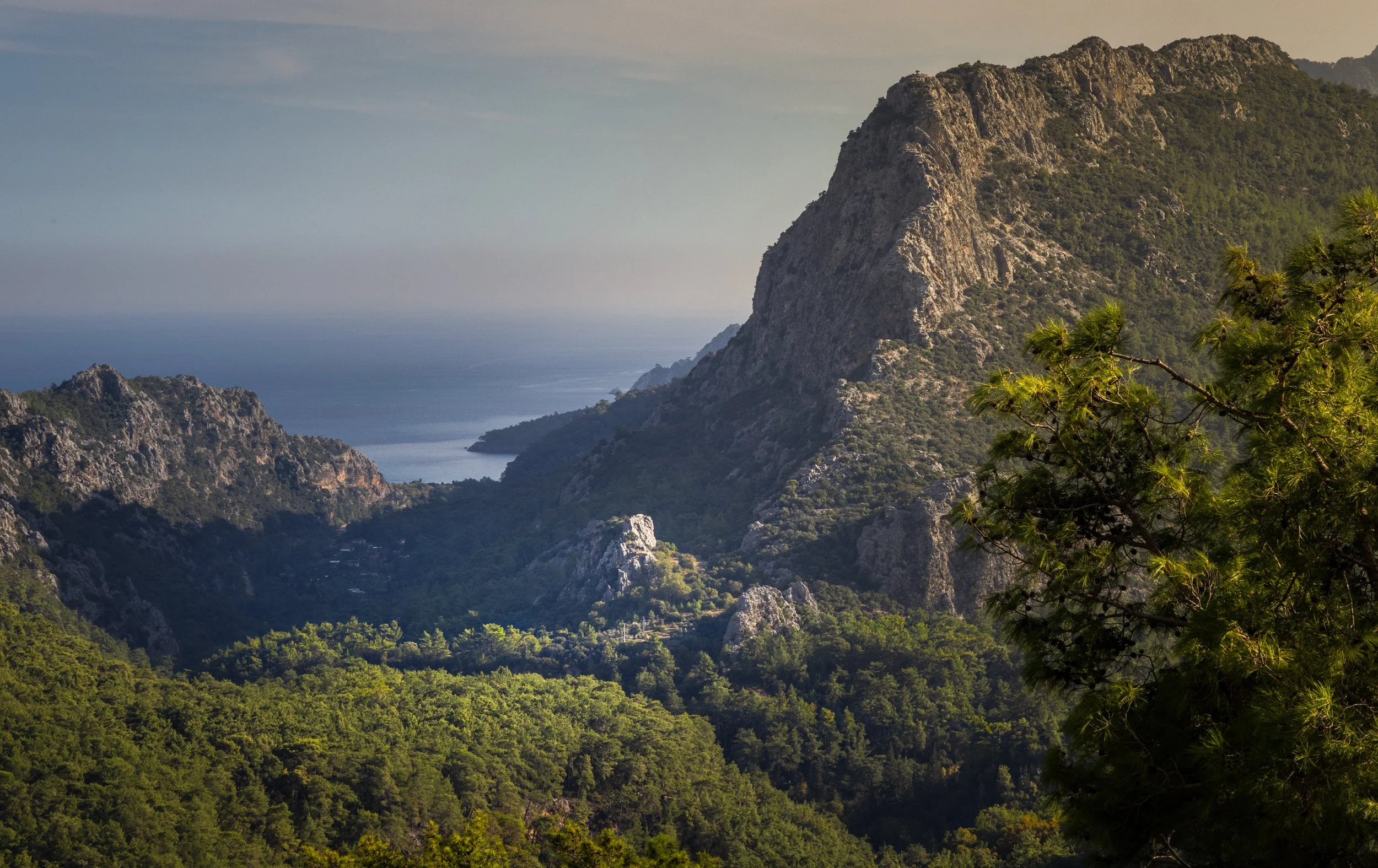
A mere one hour by air from the crazy catatonic chaos of Cairo, is Antalya - Turkiye’s 5th largest city with a popluation over around a million and a half souls. This city is dramatically poised on the edge of the Mediterranean Sea with a backdrop of rugged, towering peaks inviting one to venture beyond the city limits.
Turkiye is a green country - surprisingly so, and the Turks love access to the outdoors, so much so that an entire outdoor industry is burgeoning - a somewhat obscure and underrated destination for outdoor enthusiasts, but a long known secret for those in the climbing world who flock to the Antalya region to inch ones way up the incredible karst limestone cliff faces formed by the collision of the eurasian and African tectonic plates. Thank you, geology - you rock (haha).
This climbing mecca has long been a destination for human mountain goats, and for me was an attractive lure away from the sandy surroundings of my familiar Wadi Degla.
I was met in Antalya airport by the car rental agency who swapped signatures with me on the bonnet of my Clio; keys were handed over along with farewells, and good lucks, and off I went into the Turkish highways with little knowledge of where I was headed apart from a vague idea that I should keep left of the mountains ahead!
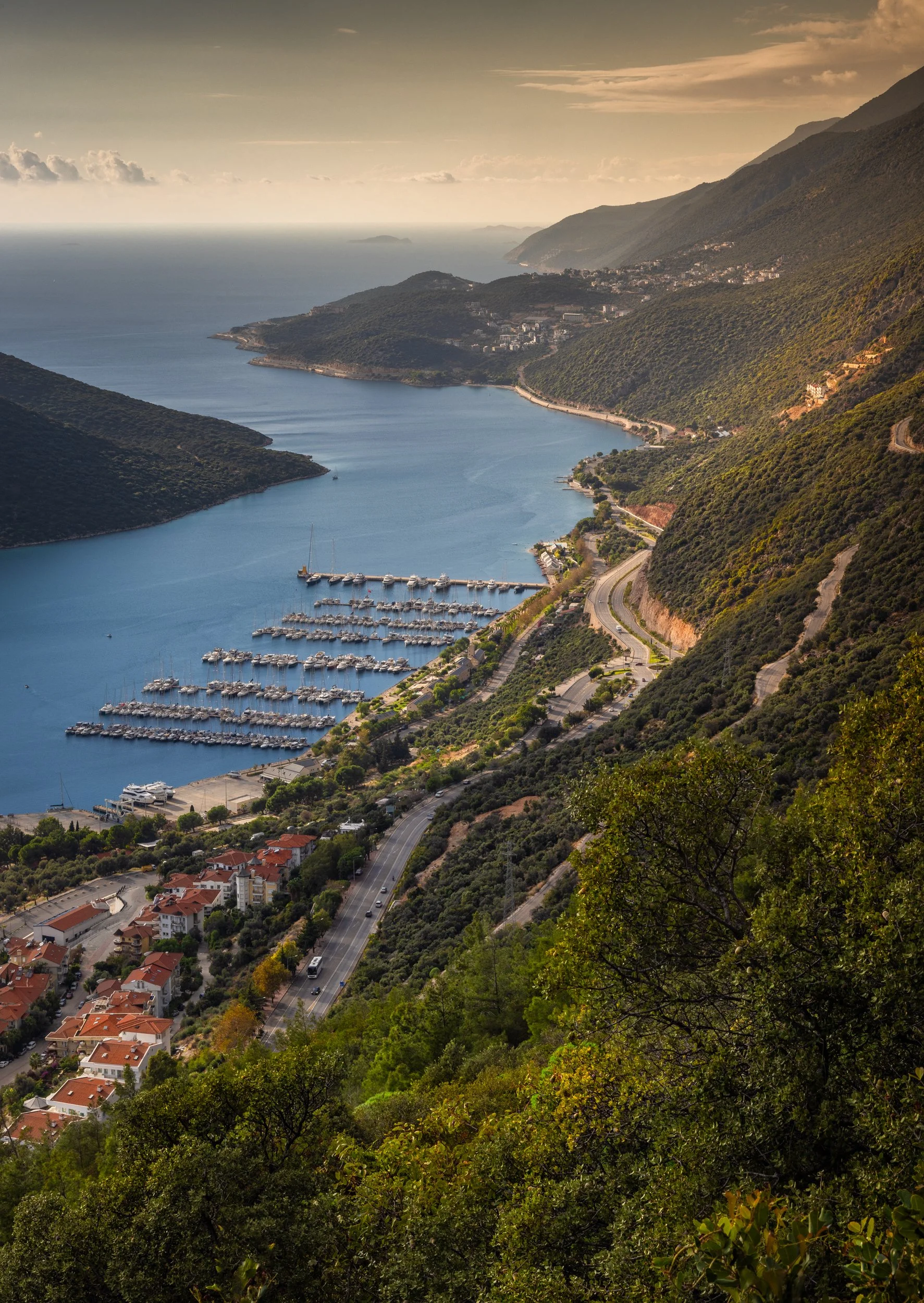
My destination was the small coastal town of Kaş (said like “cash”), a small fishing village of some three hours driving along this coastal highway, from Antalya. I would like to say I was headed south, but in fact I was headed some 180km west of the city to where it was anchored in a sheltered bay surrounded by reefs and the nearby Greek island of Kallistiono.
The driving was easy; roads were well-maintained and smooth; minimal traffic with maximal views in some places. I rubber-necked my way along the highways, taking mental note of all the epic-looking mountains I could surely be wandering in, making mental notes to come back some time, knowing full well I probably would never get back for long enough to ever explore every aspect of this coast.
This is something that bugs me about travel. I want it all, and I mean ALL.
Turkiye is somewhere that, once I visited for the first time, I knew I would be back. It exceeds all expectations - much like Morocco. The expectation is that it will be similar to Egypt, but in fact, no, it is vastly different.
For starters, it is sane.
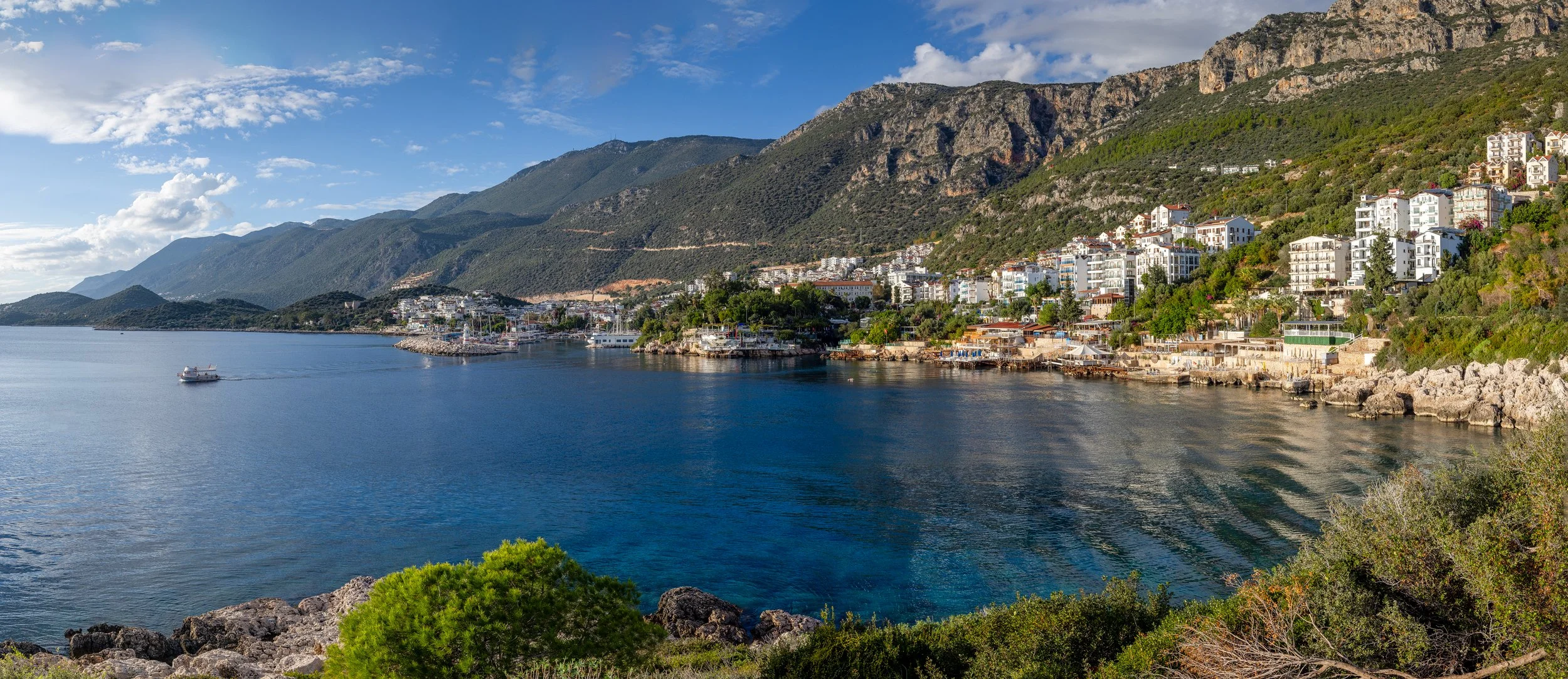
Driving the stunning coastline, feeling much like Daniel Craig in Skyfall, I eventually turned a sharp left down into the small village of Kaş. Tucked into the sharply rising mountains, Kaş is nothing short of delightful. It is old-world delightful - quaint, colourful, clean, quiet, an oasis. Ok, ok, so it was the wind-down season; the end of the tourist season and for sure locals were telling me it was quiet, but even my Airbnb host said it never really gets crazy compared to other coastal towns further west.

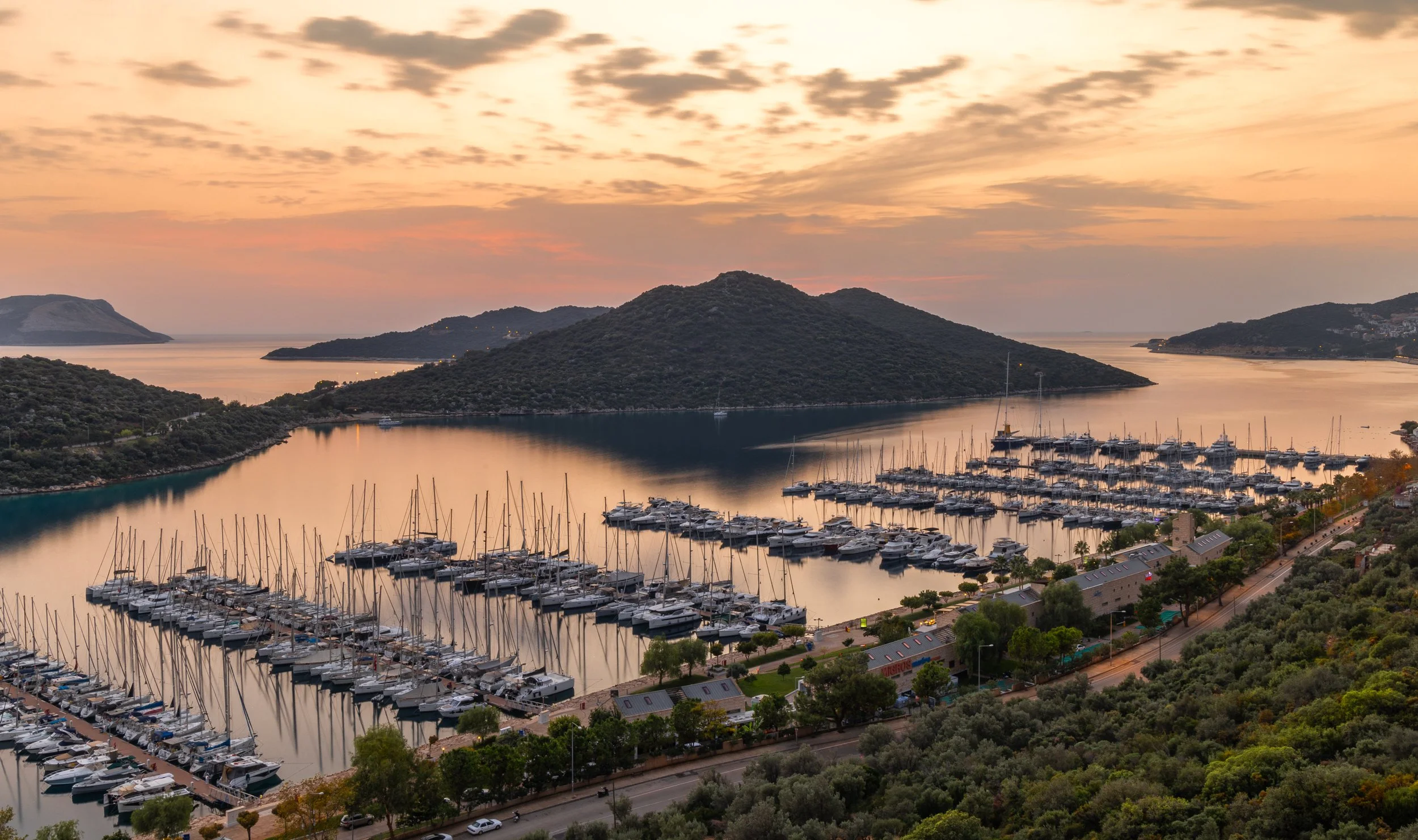
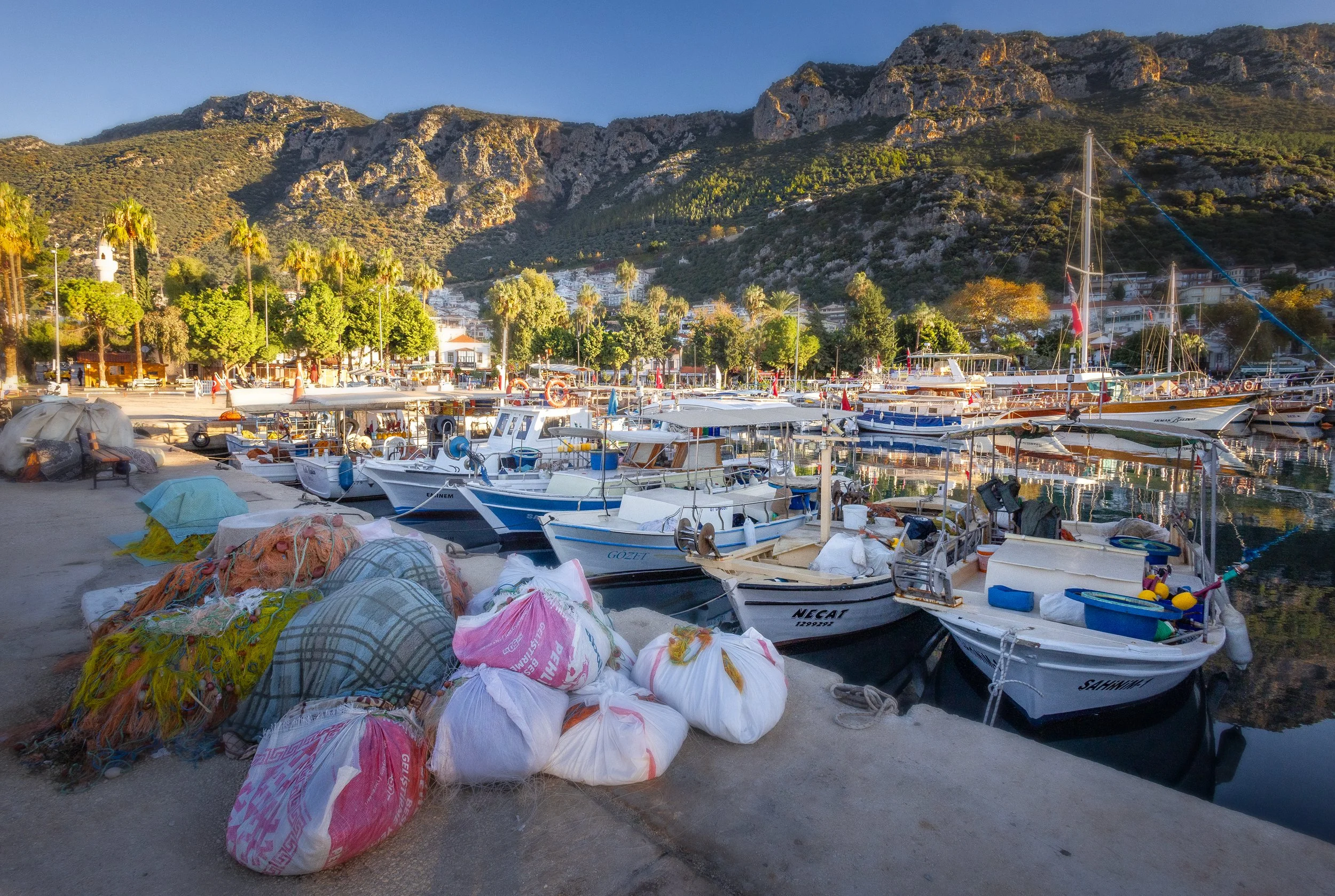
My rental car was small, but the streets of Kaş were smaller, making me nervous about taking the pristine car into the inner reaches of the small, mountain-side village. I drove around in circles trying to find my accommodation - Yenier Apart Otel, and eventually opted to call and admit my navigation defeat. The owner suggested I stay where I was and pin my location - he would come and find me. Sure enough, a young, scooter-riding man pulled up beside my car; “follow me”, he mouthed through my open window. “Gladly!” I beamed.
His name escapes me, but this young man welcomed me into the stunning apartment, complete with a balcony and view to the mountains, a lovely kitchen, a fantastic shower, and even a car park outside the building. I can not recommend this accommodation enough. It was cheap, well-appointed, clean, and most importantly, 50 m from good coffee - Mama Africa Coffee Co.
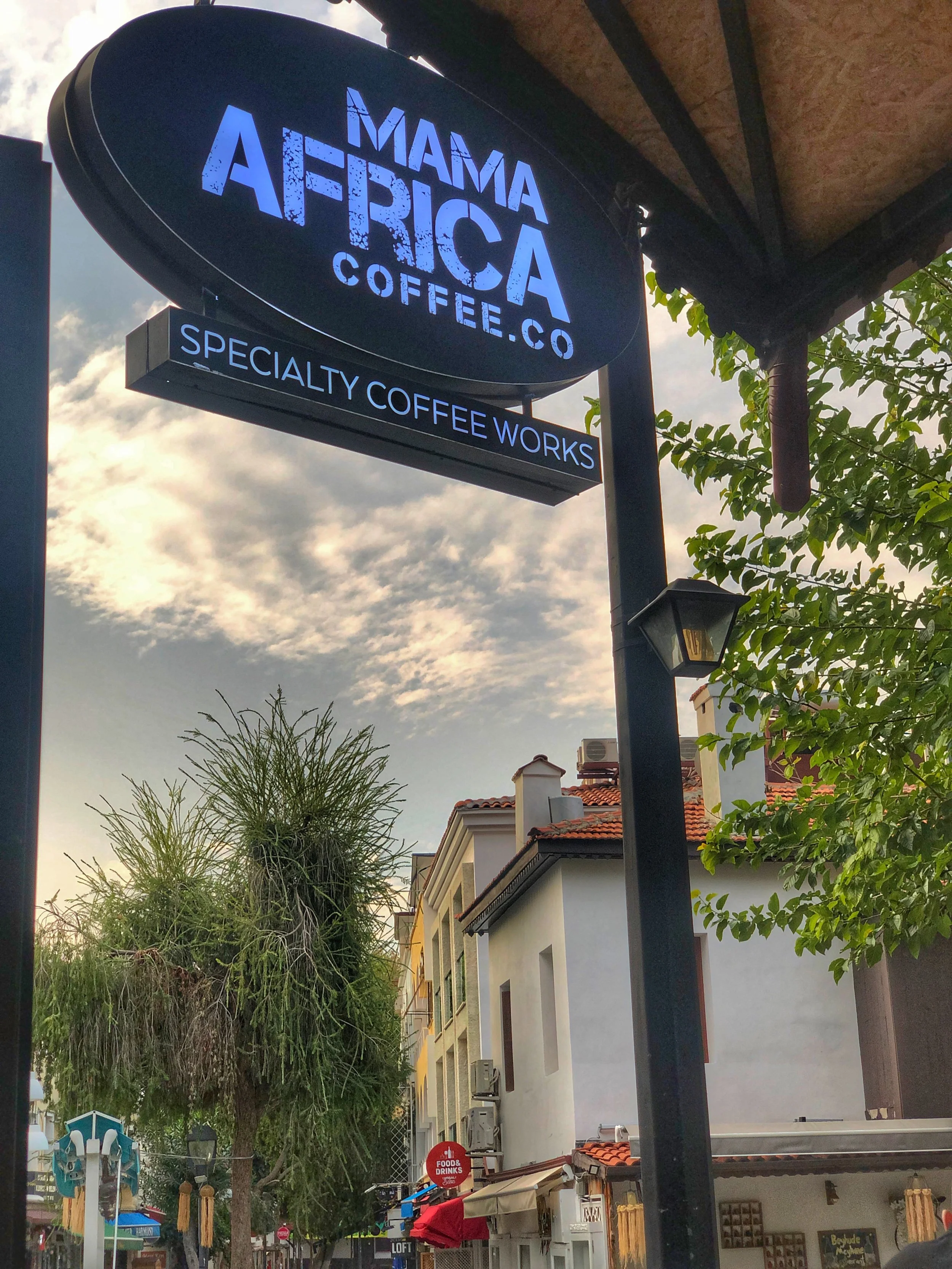
Mama Africa Coffee Co - ahhhhh bliss.
Wandering the colourful, narrow streets of Kaş was a photographer’s dream come true. Vibrant bougainvillea draped down every available wall, in a cascade of pinks, oranges, and yellows; well-fed street cats lounged in every available sunny spot; fishing boats rose and fell with the lap of swells in the marina, and fruit of all shapes, sizes, textures, and colours spilled out onto the pavement in generous trays. Buildings displayed bold colours and quaint, ornate wrought-iron decorative gates and window bars; people sat spilling onto pavements to consume fresh fish, fresh coffee, and fresh bread. The vibe gave off an air of relaxation after a long tourist season, a welcome breather. It was a cacphony of colour; a symphony of sights. I was in love.
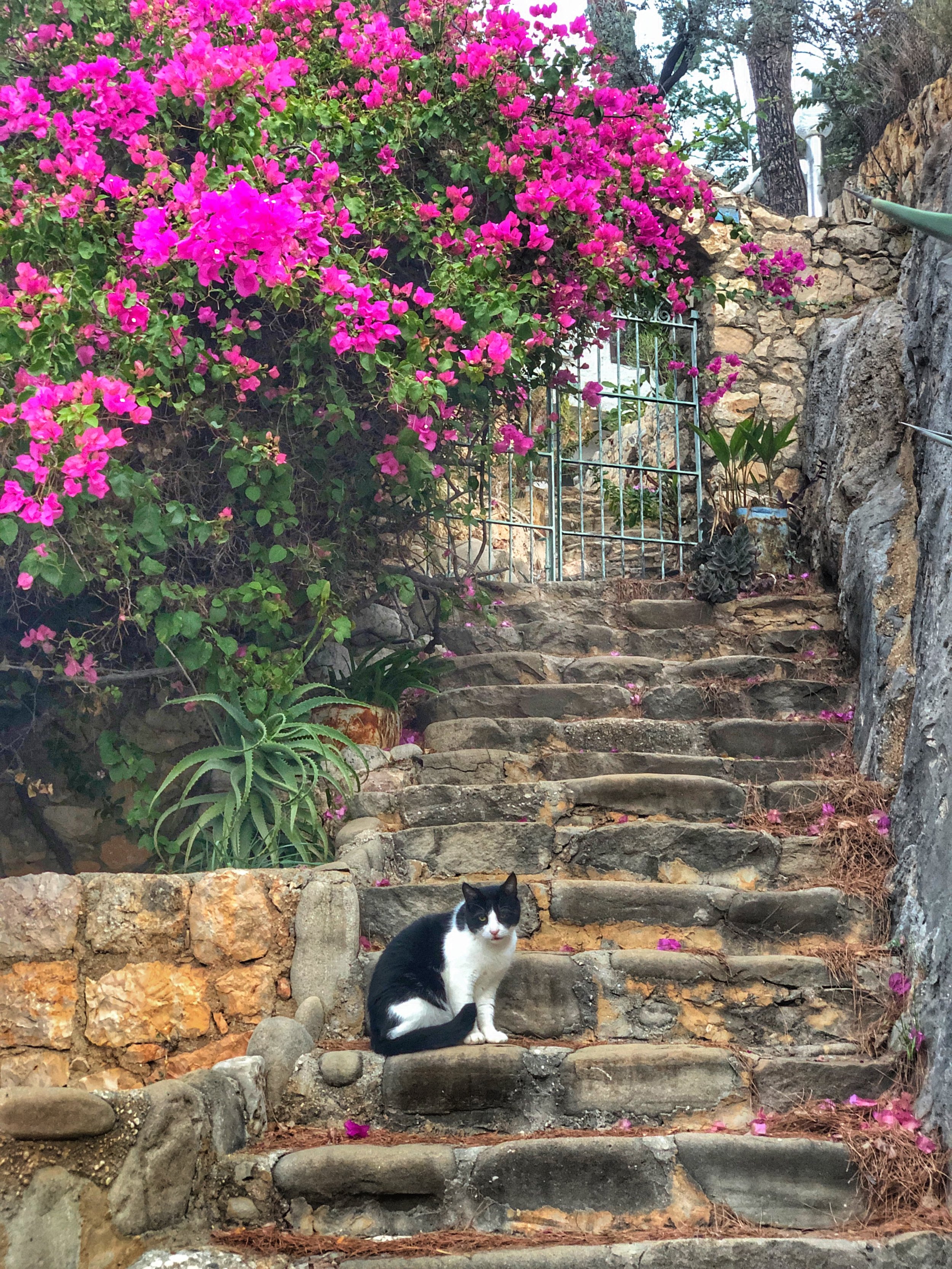
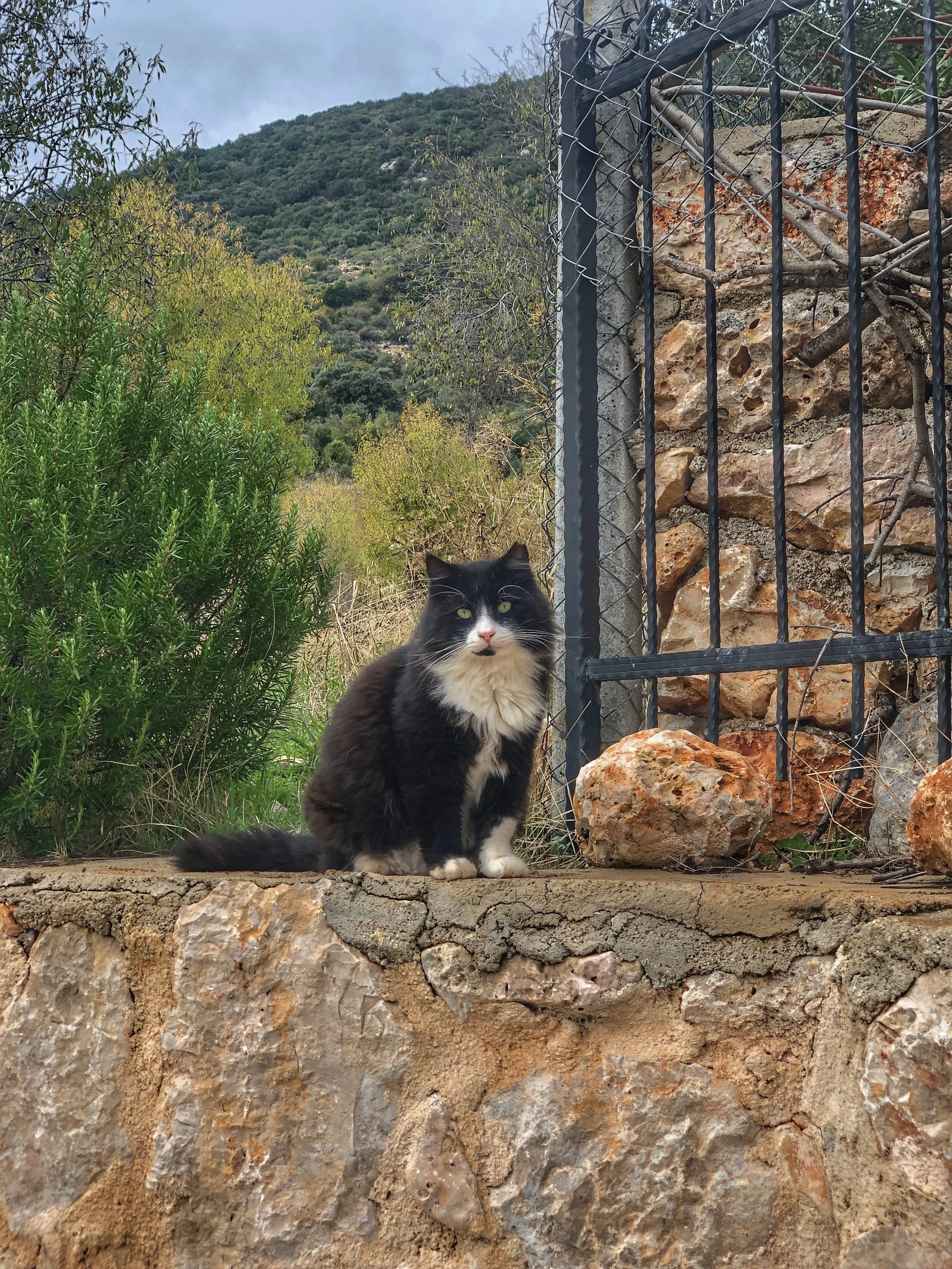
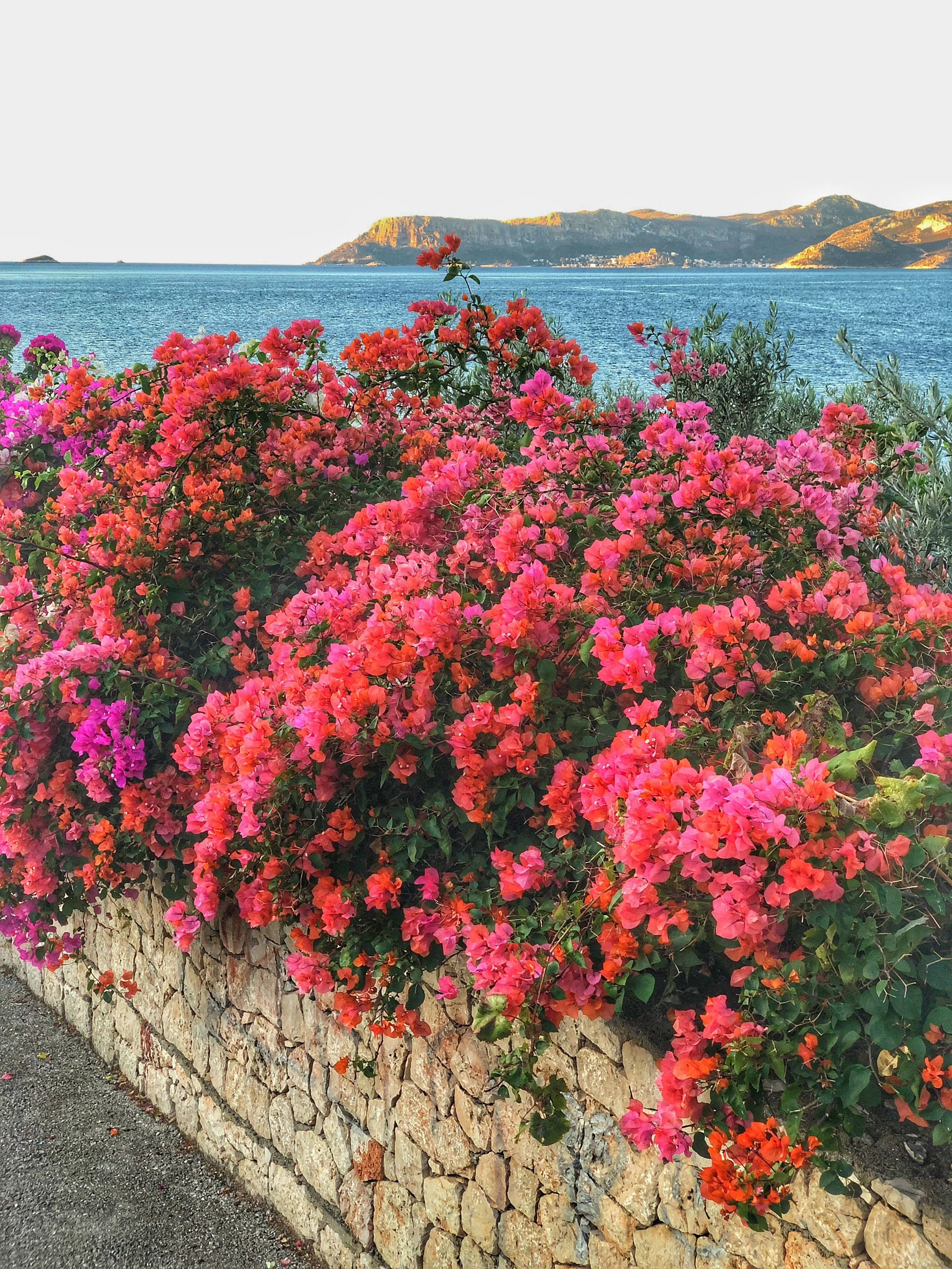
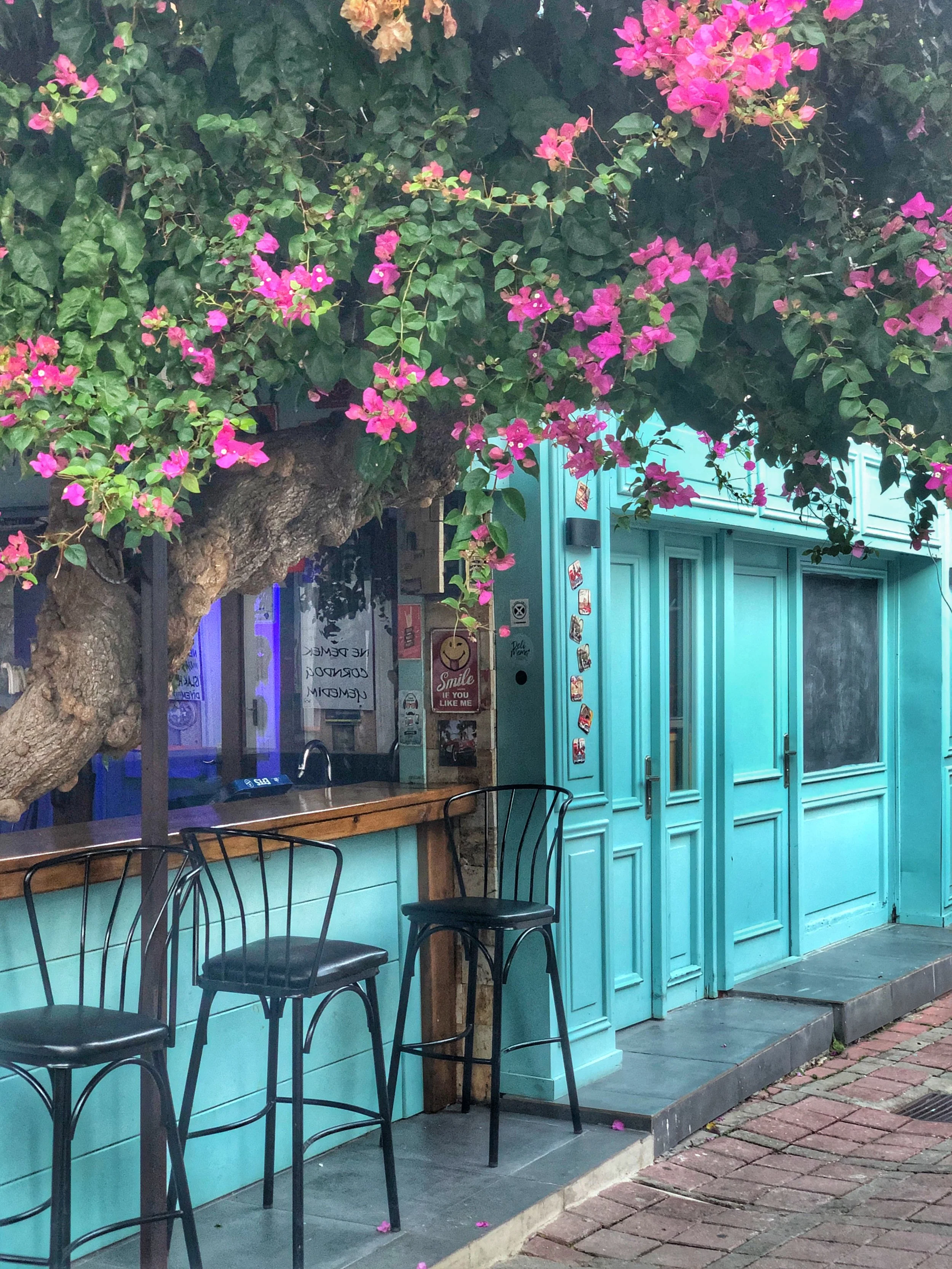
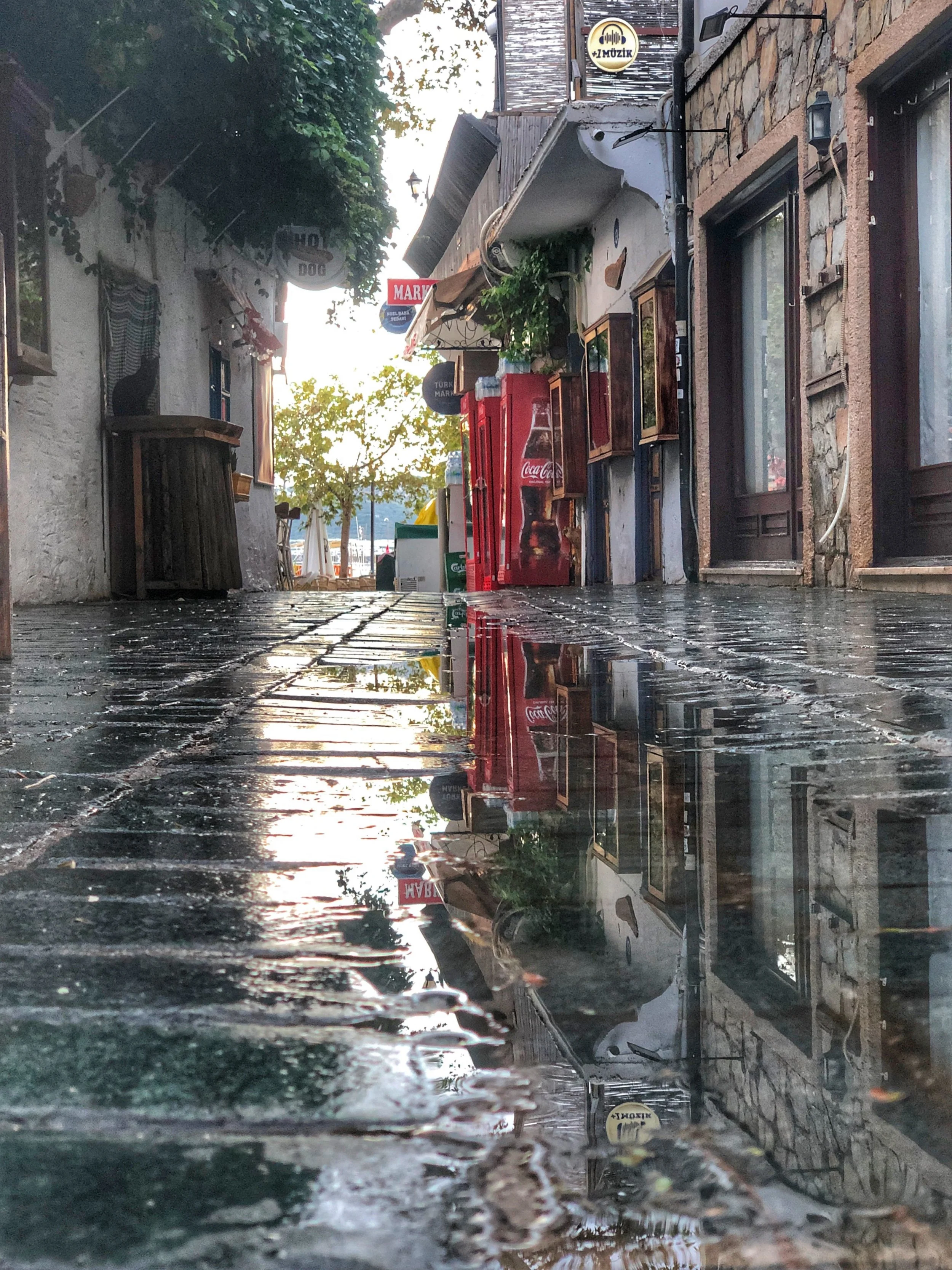
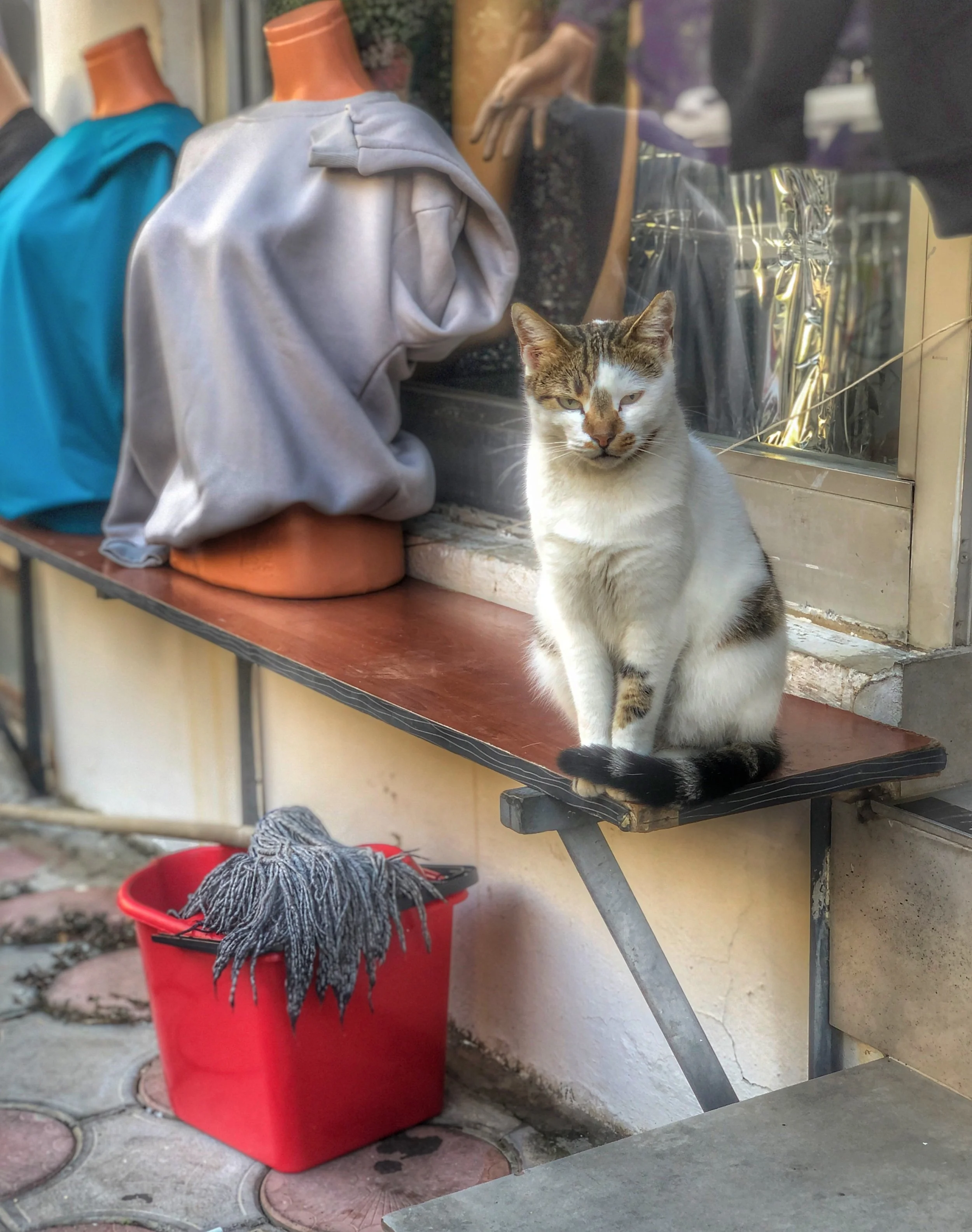
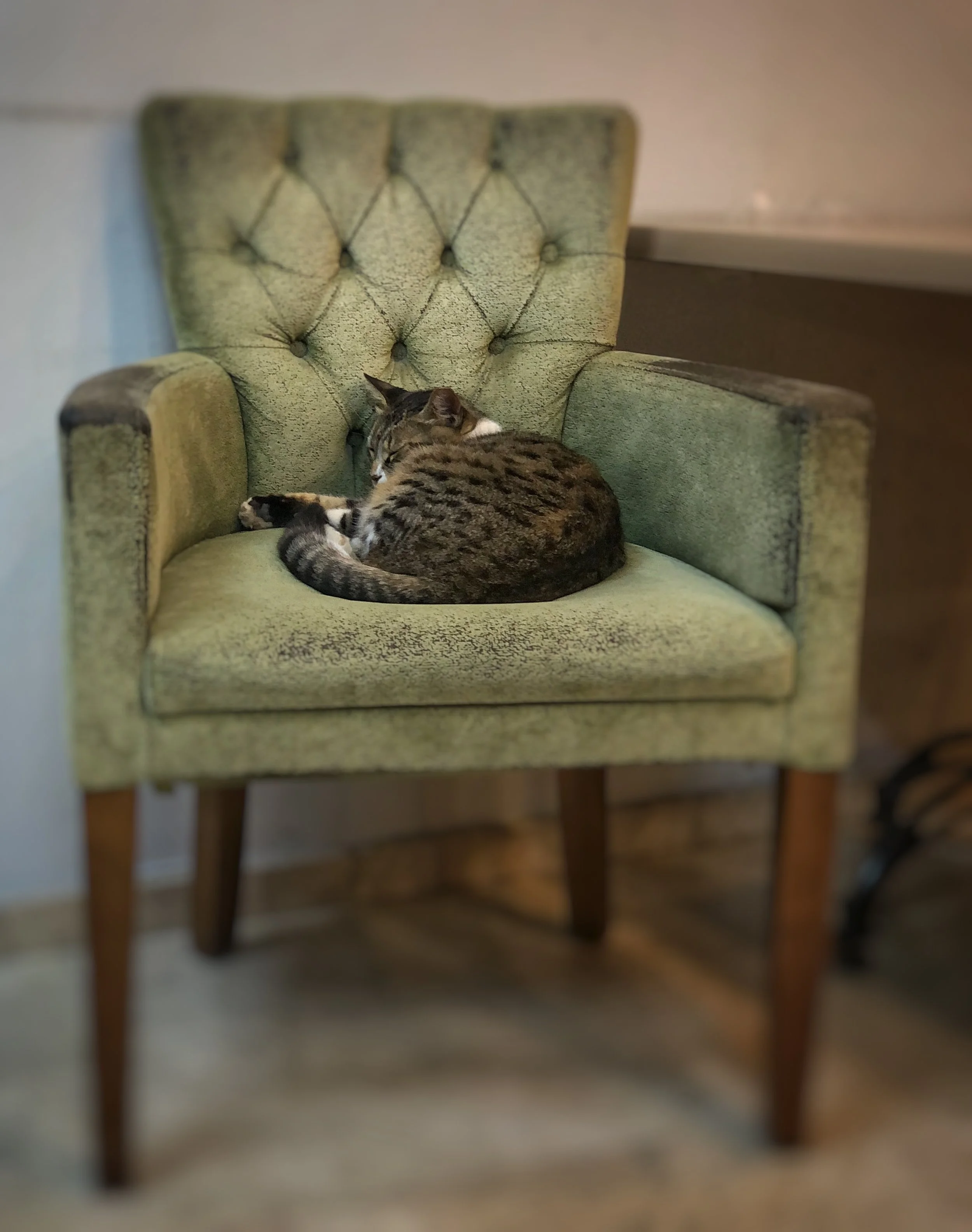
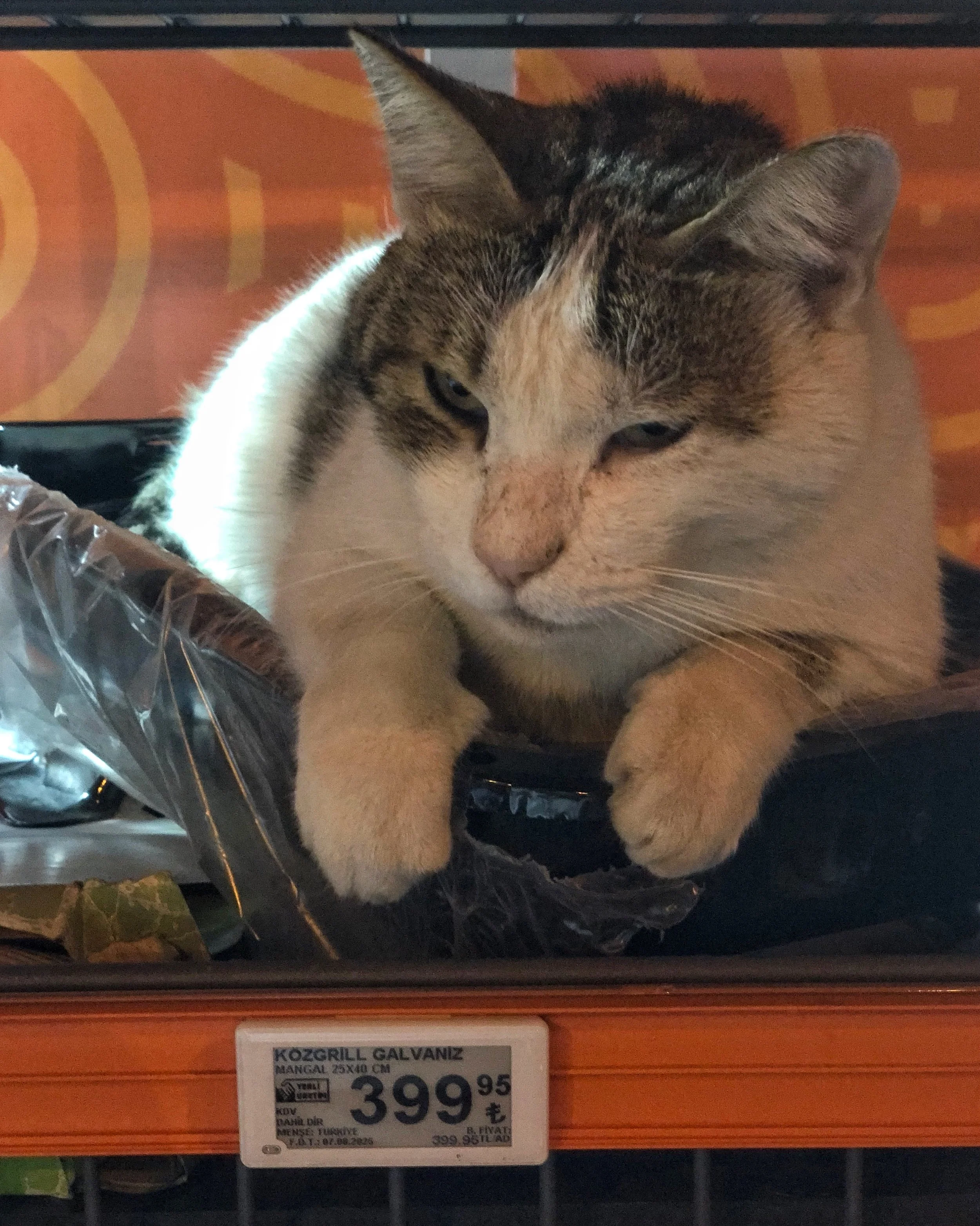
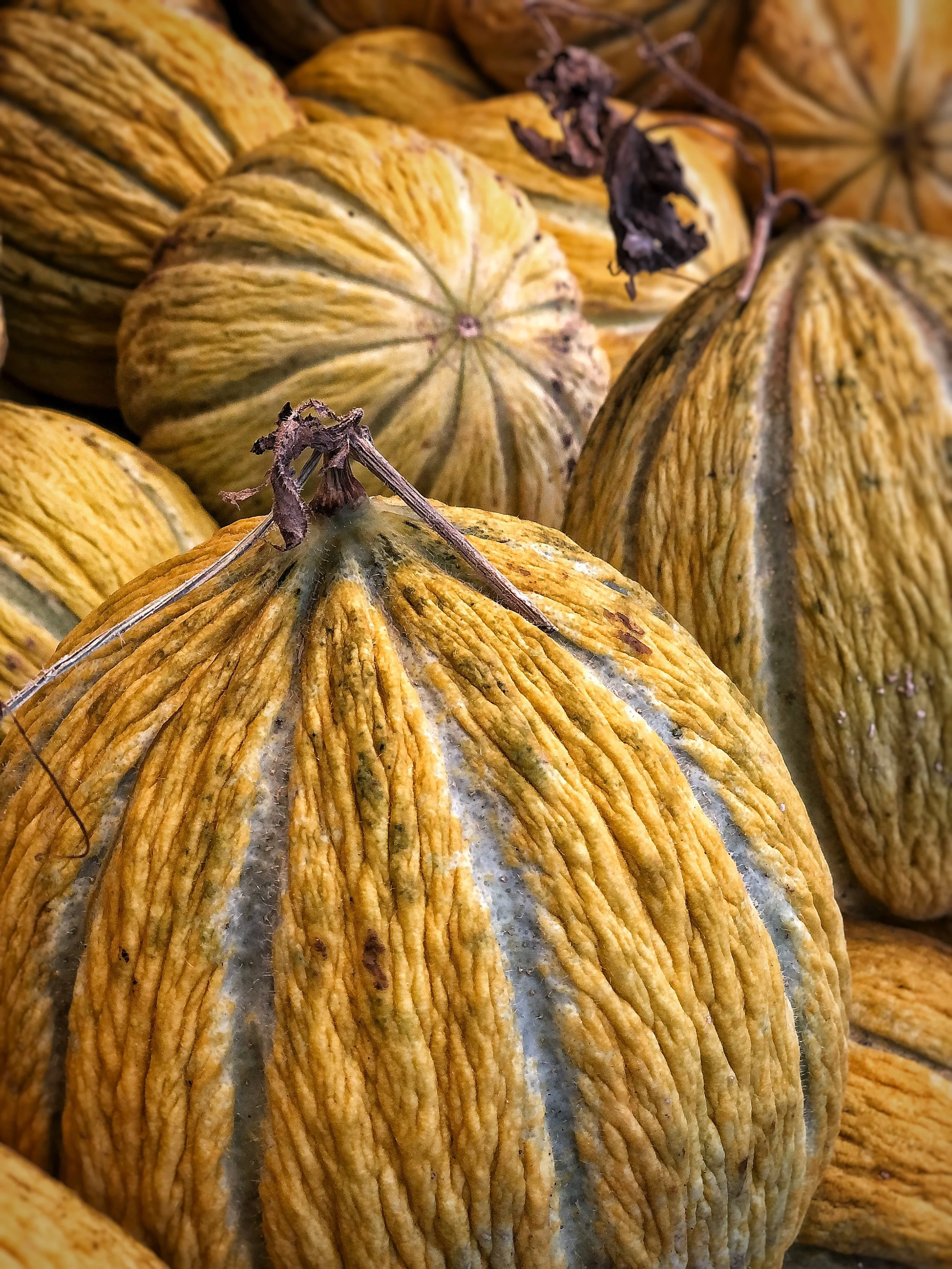
I planned to wander both the village and the nearby mountain trails, scuba dive, and collect photographs.
Kaş is a pivotal village on the 500km Lycian Way - a hiking trail almost connecting Fethiye with Antalya. It is easy to jump on any section of the trail, and hikers seem to enjoy Kaş for this reason. The fact that it also has an excellent amphitheatre specimen makes it an attractive starting point.
The Lycian-built amphitheatre in Kaş, which is seaward-facing - a relic left over from the first century - is the only amphitheatre in Turkiye that directly faces the sea with such proximity. It is huge - originally made to seat some 3000+ people - and nowadays attracts street musicians who perform impromptu concerts for audiences who usually attend to witness a spectacular sunset rather than a free concert. Nonetheless, either is good and well worth experiencing.
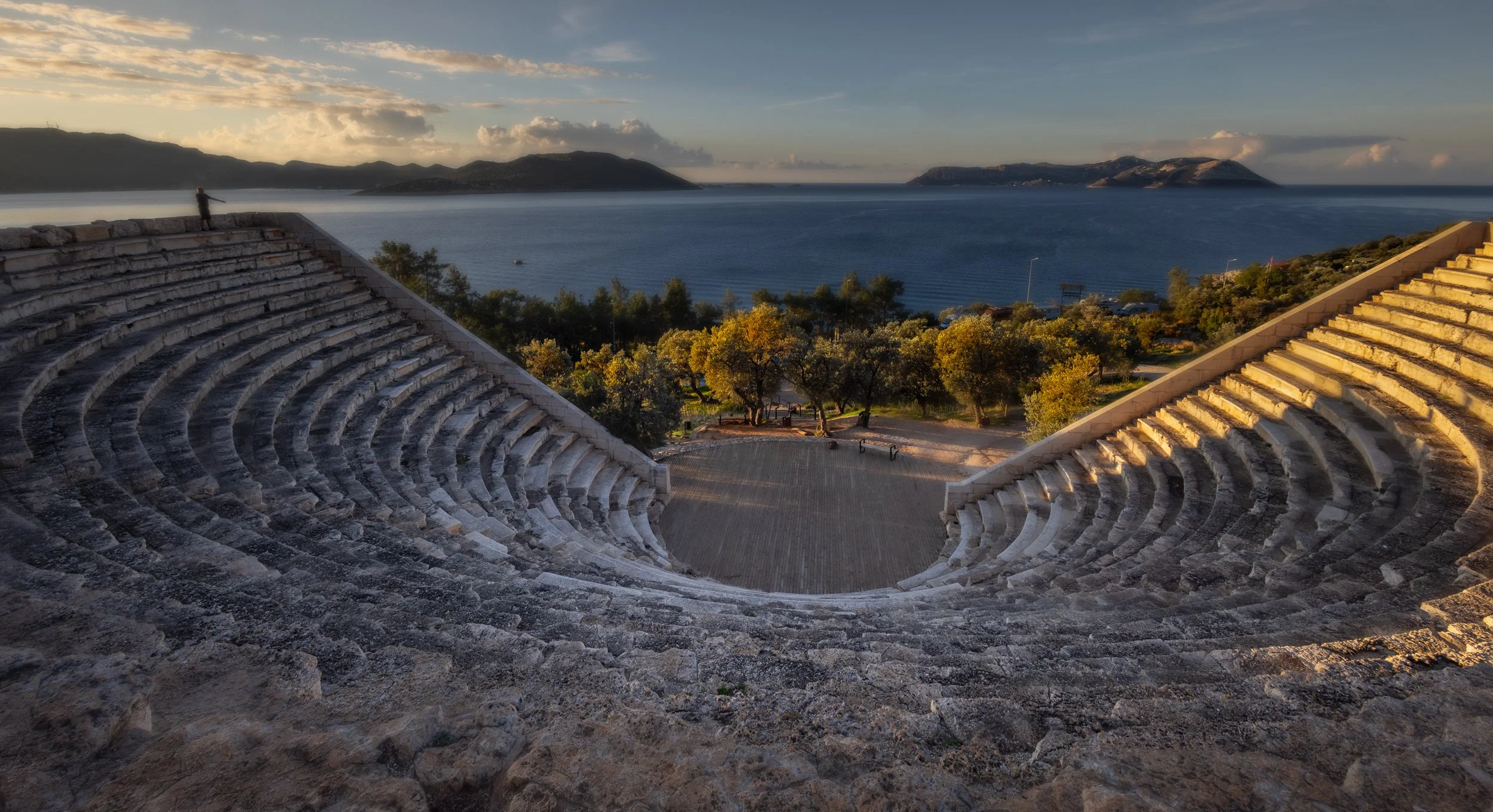
The stunning Lycian amphitheatre of Kaş faces the ocean, with commanding views of the Greek island - Kastellorizo.
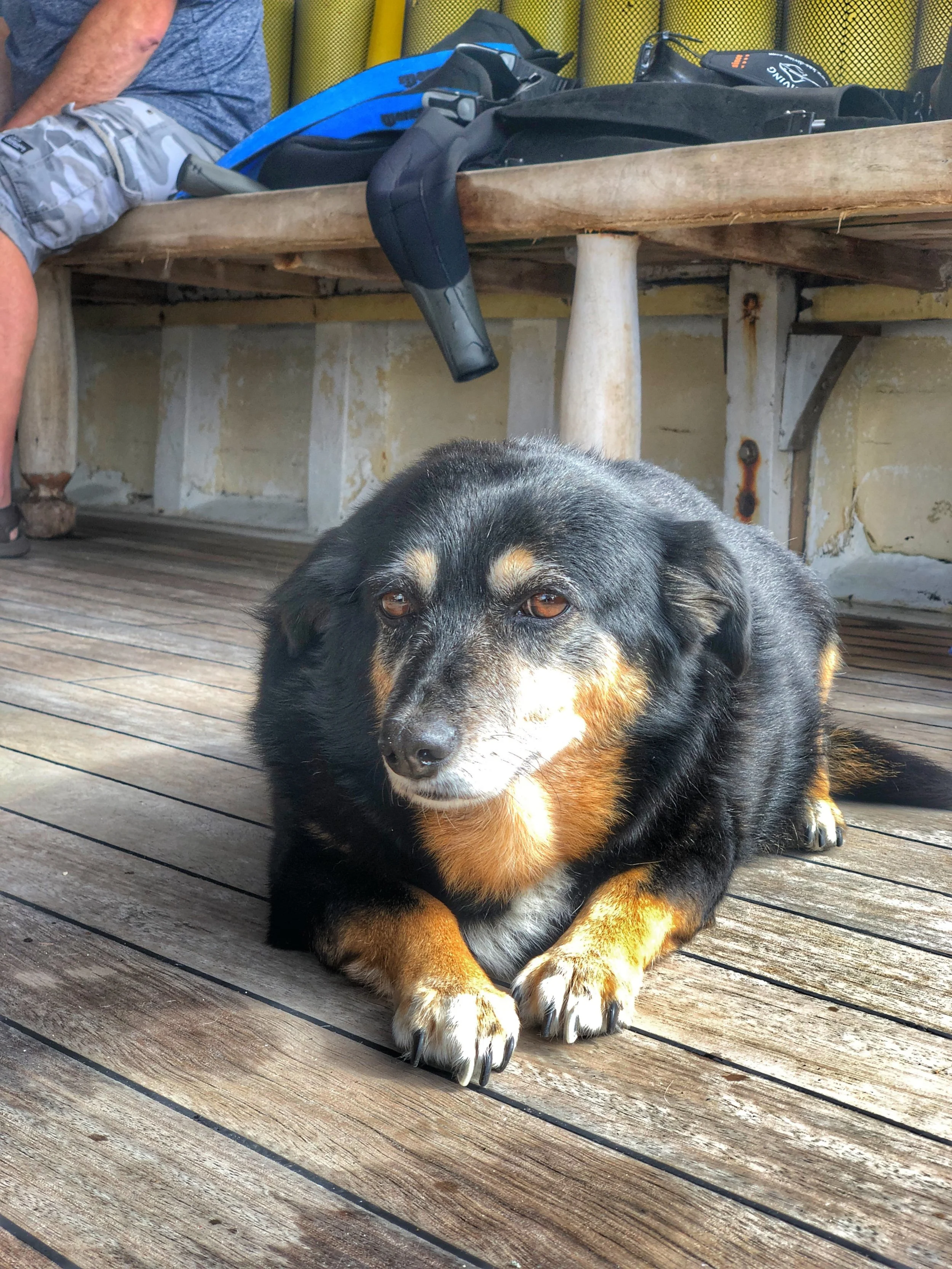
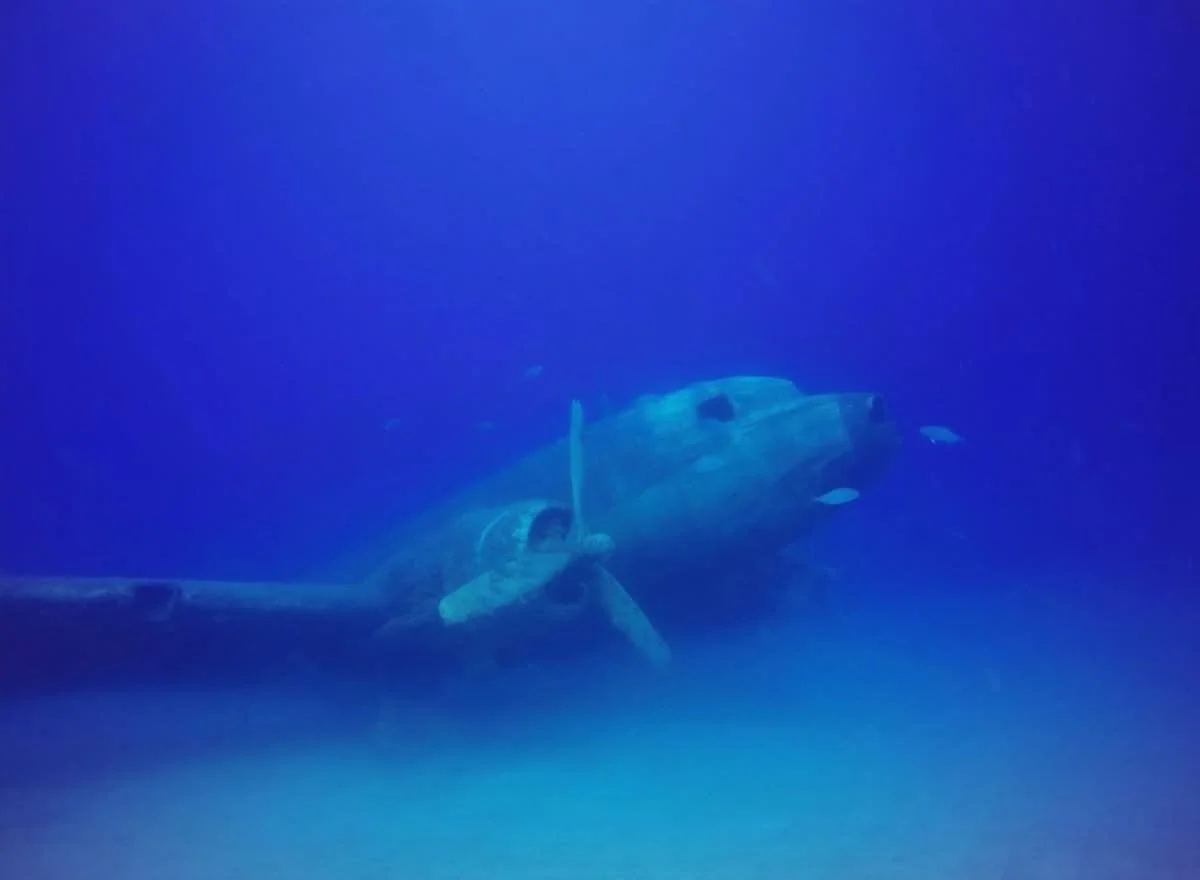
I was there in October - it was not warm in Kaş - but yet I had decided I wanted to scuba dive with the hope of seeing a scrapped WWII C-47 DAKOTA airplane (wingspan 29m, length 20m), which was purposely sunk here at a depth of 22 metres to create an artificial reef. I signed up with Kaş Diving for the next morning and eagerly awaited sunrise. Being a new diver, I still experienced nerves before a dive - especially being out of Egypt - and my nerves were particularly peaking due to a dark, ominous sky and the threat of thunderstorms. I boarded the dive boat along with one other mad diver, the crew, and a fat dog, and we set out to a dive spot known as the Lighthouse. As we geared up in too-thick wetsuits to combat the cold, the sky grew dark, the wind blew, the rain pelted down, the boat rocked, and the heavens opened into a loud cracking display of lightning accompanied by a tympanic ensemble of thunder.
OK …. I think ….
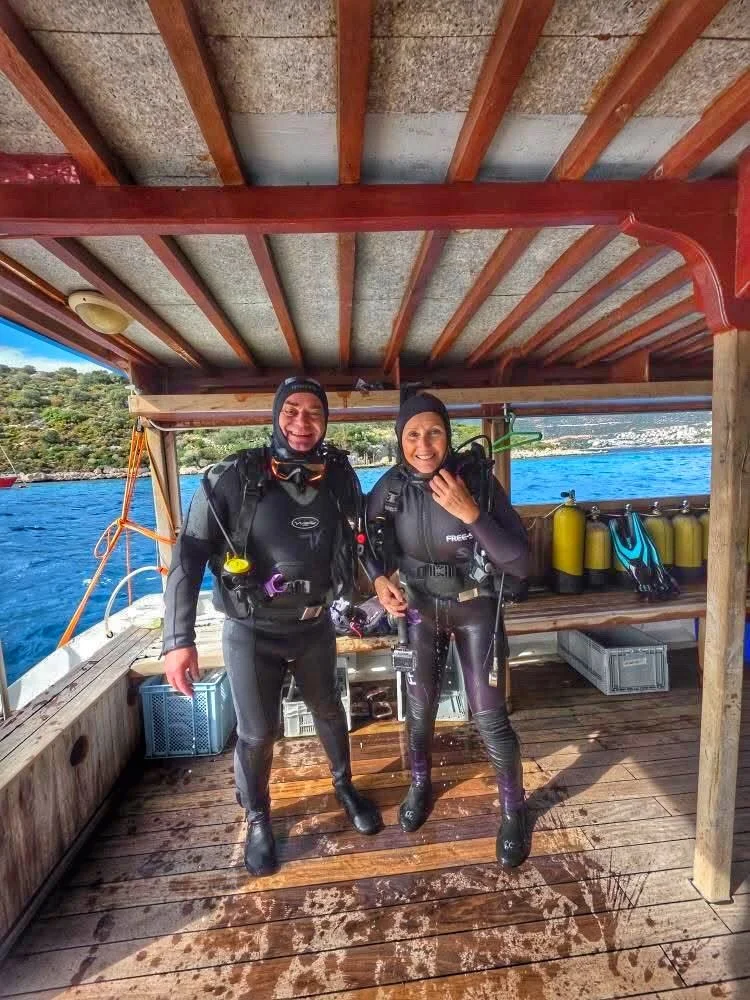
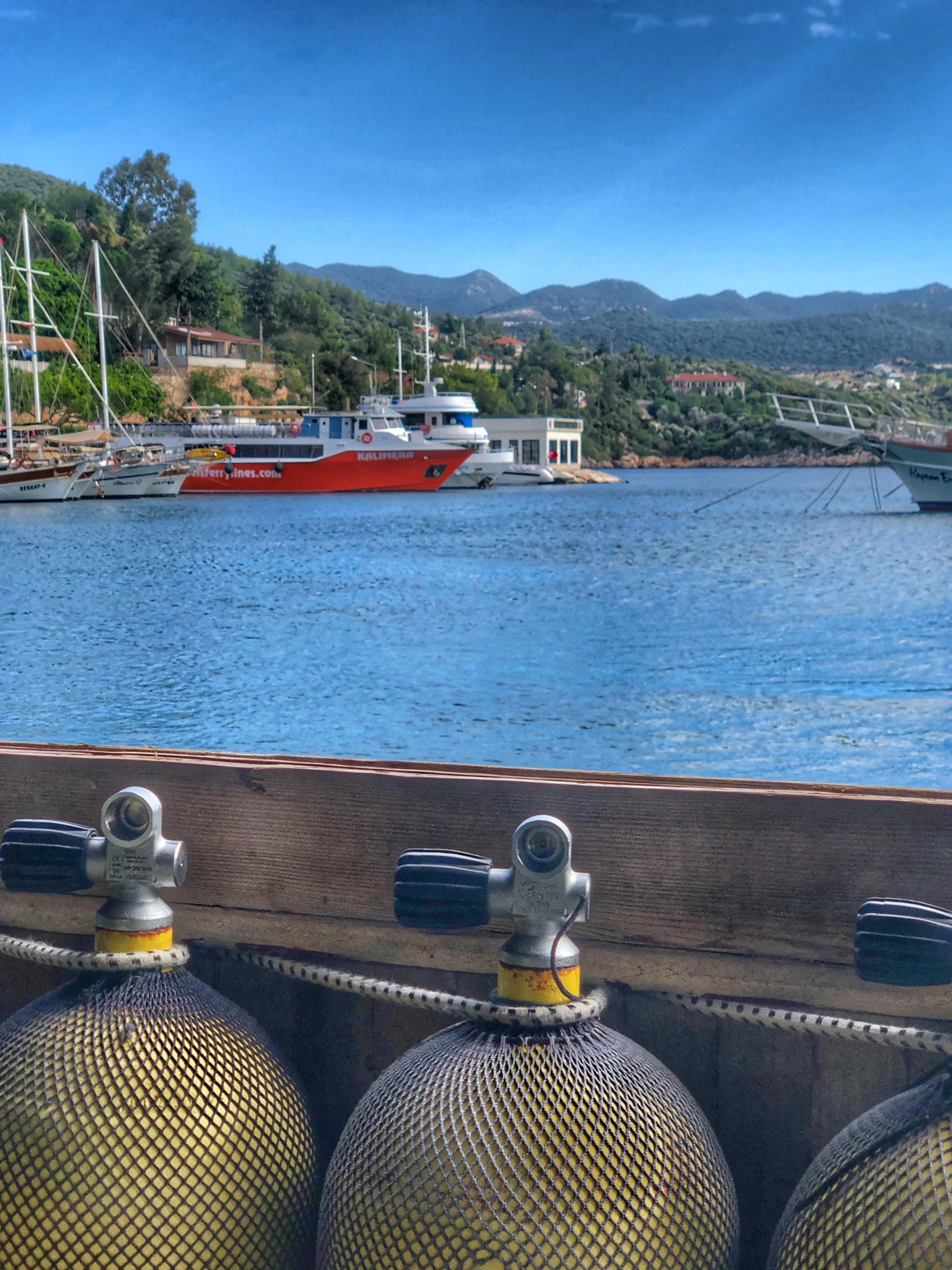
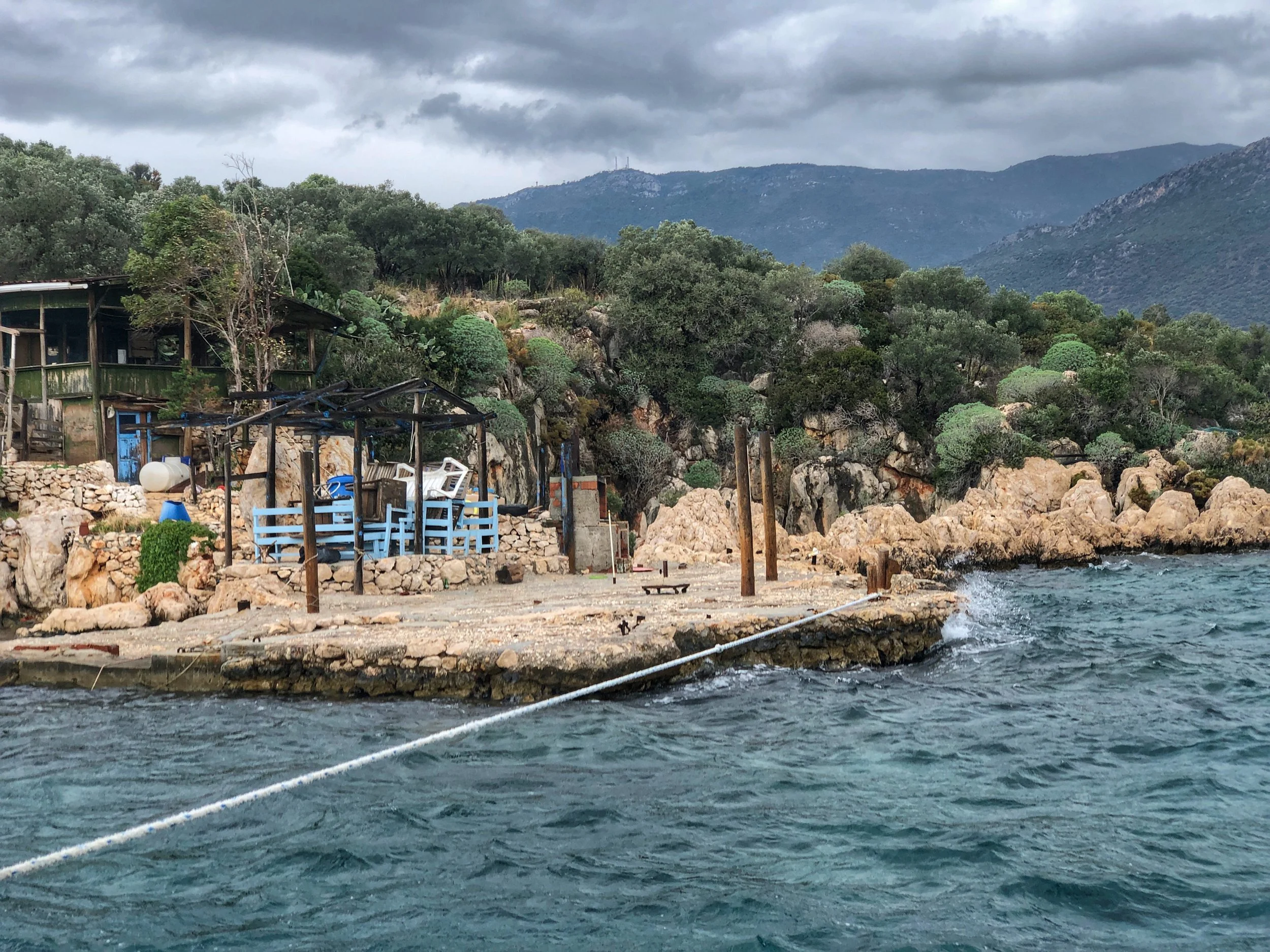
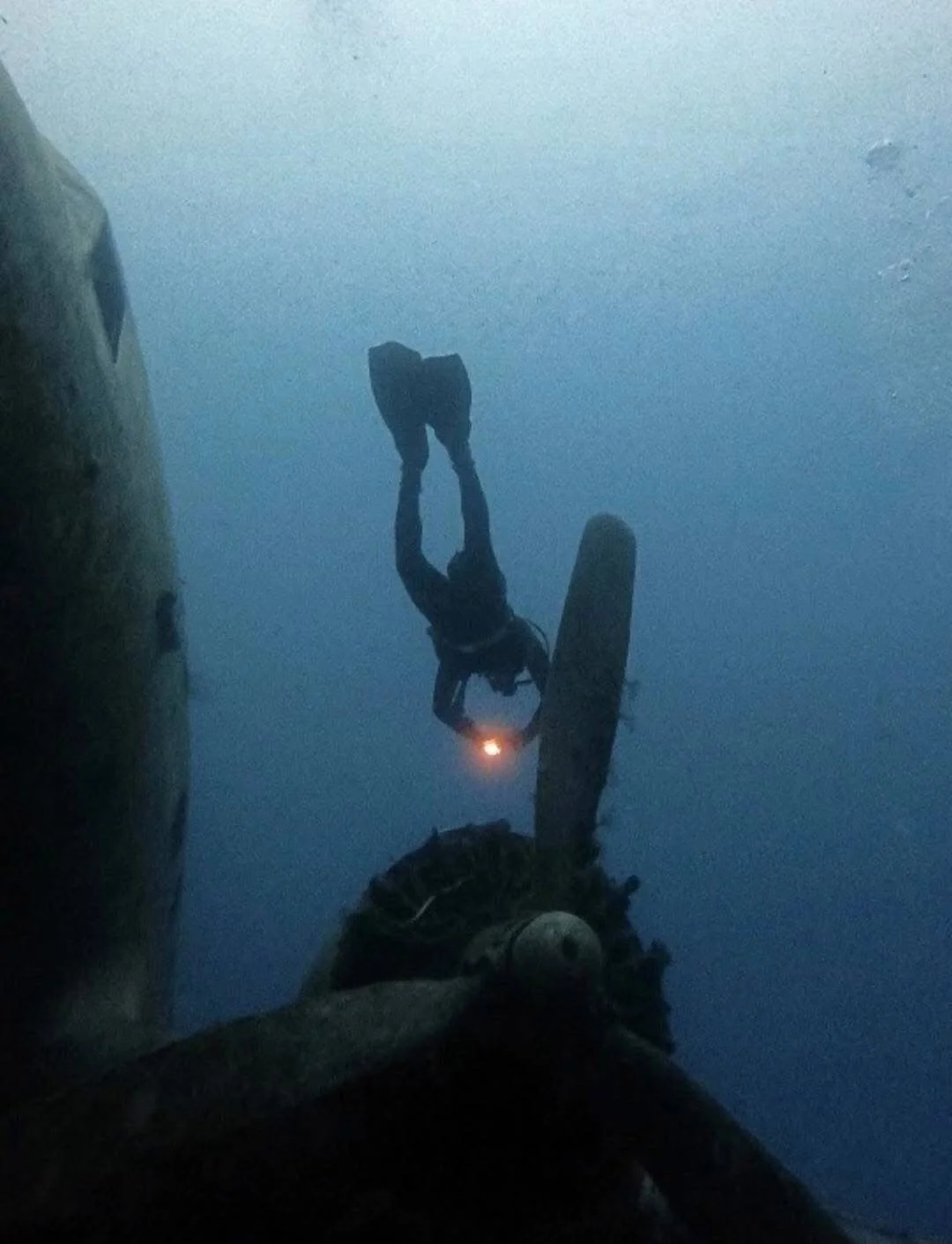
We - myself and the other diver - were reassured, and we entered for the first of two dives. It was a surreal feeling to be under the water as a storm raged above the surface. The image of rain falling above us onto the water was a concept I had never before considered, let alone pondering what happens to lightning when it strikes the sea … where does it go?! Do the fish hear it? Soon enough, the blue engulfed us, and we slipped into the familiar, calming rhythm of the ocean - noiseless, soothing, gentle.
The water was murky, no doubt due to the swirling above us, and I had no idea where we were headed. Somewhat eerily, the outline of the sunken aircraft emerged, bringing with it a strange feeling of knowing something was somewhere it should not be. It is unearthly to see an aircraft on the ocean floor - an imagining of terrified people onboard; however, thankfully, this was not the fate of the old Dakota C-47. But still - it vibed ‘spooky’ and was even devoid of life but for one lone Lion Fish that drifted about in the belly of the aircraft. The second dive took us by sunken amphorae and black tube worms that flayed about in the swell as if trying to anchor themselves against a mutible force.
I emerged from the two dives with a sense of uplift - happy to have braved the depths in an uncertain weather event - but also with the connection of a newfound friend. Alain was in Kaş to find his writer’s mojo. I couldn’t think of a better place to look for it. Reading some of his words later in the week, I think he most certainly stumbled upon a well-crafted set of words to describe his sojourn in Kaş. I got it; the place ignited creative juices.
In me, it also ignited the yearning to be in the mountains.
Rising early without paying much attention to maps, I bumbled my way up out of Kaş, appropriately caffeinated and cat-followed (thanks to Mama Africa), to begin the steep upward trek towards a ridgeline that I assumed would award me with views of the coast and village below.
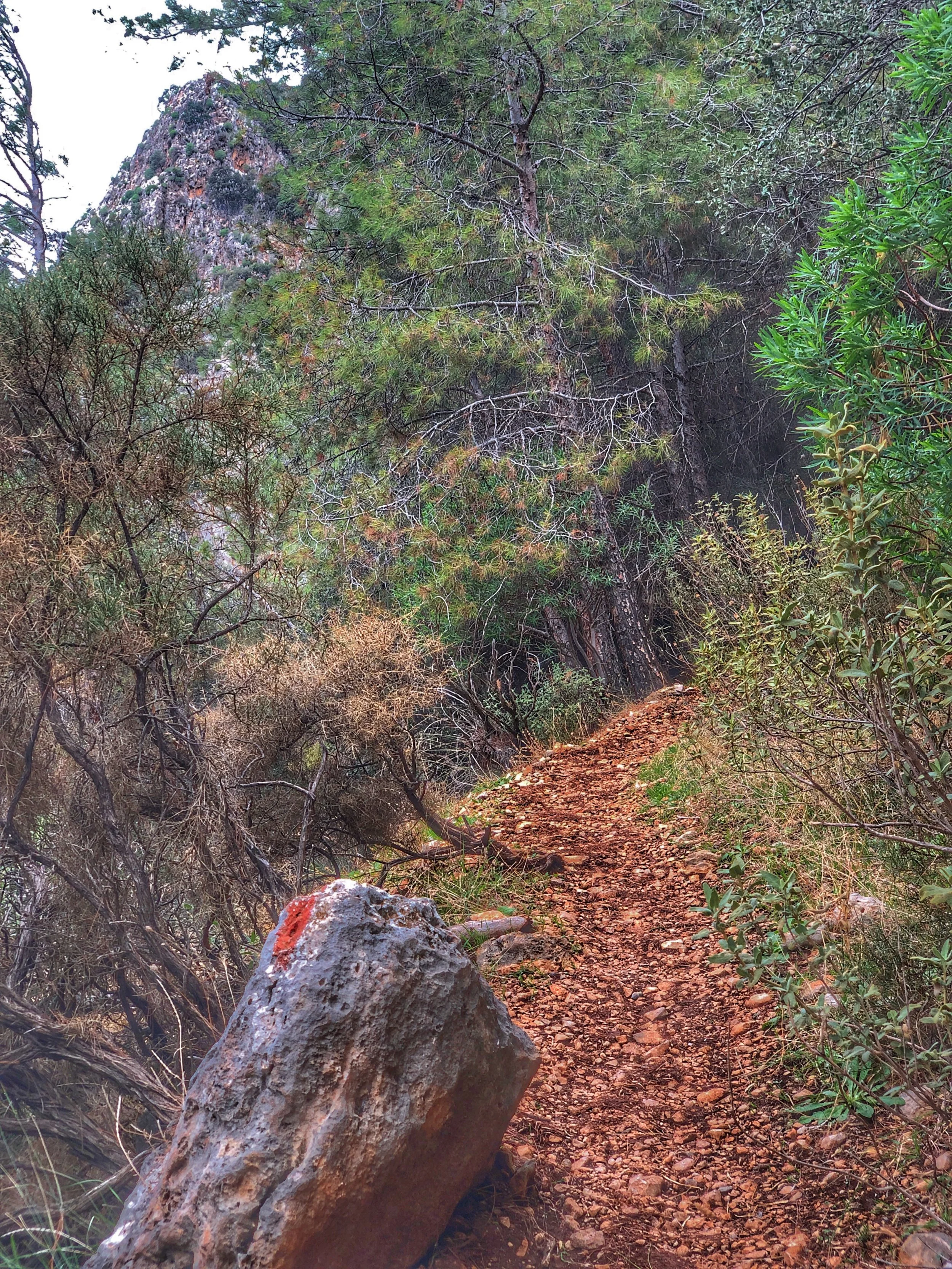
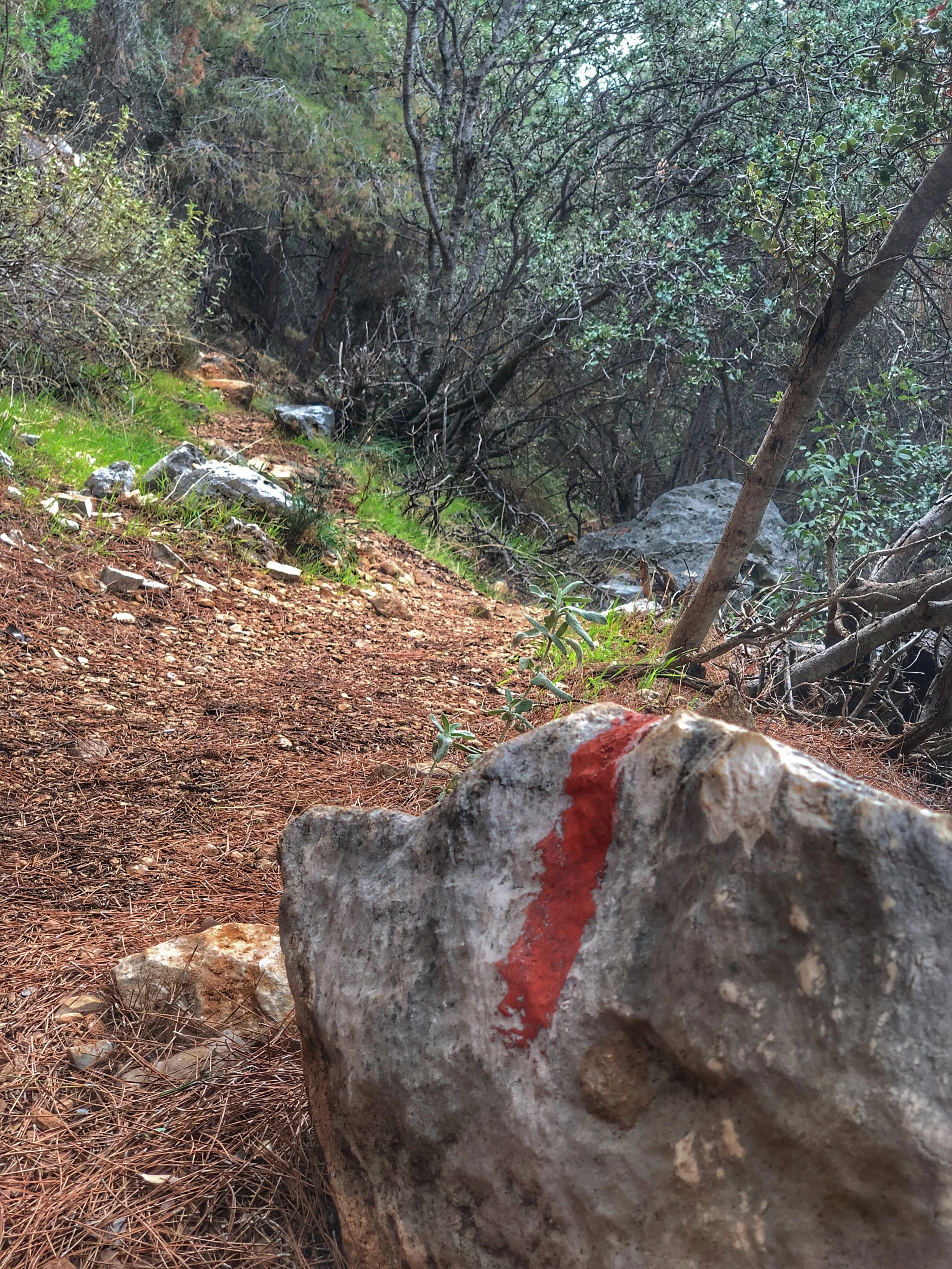
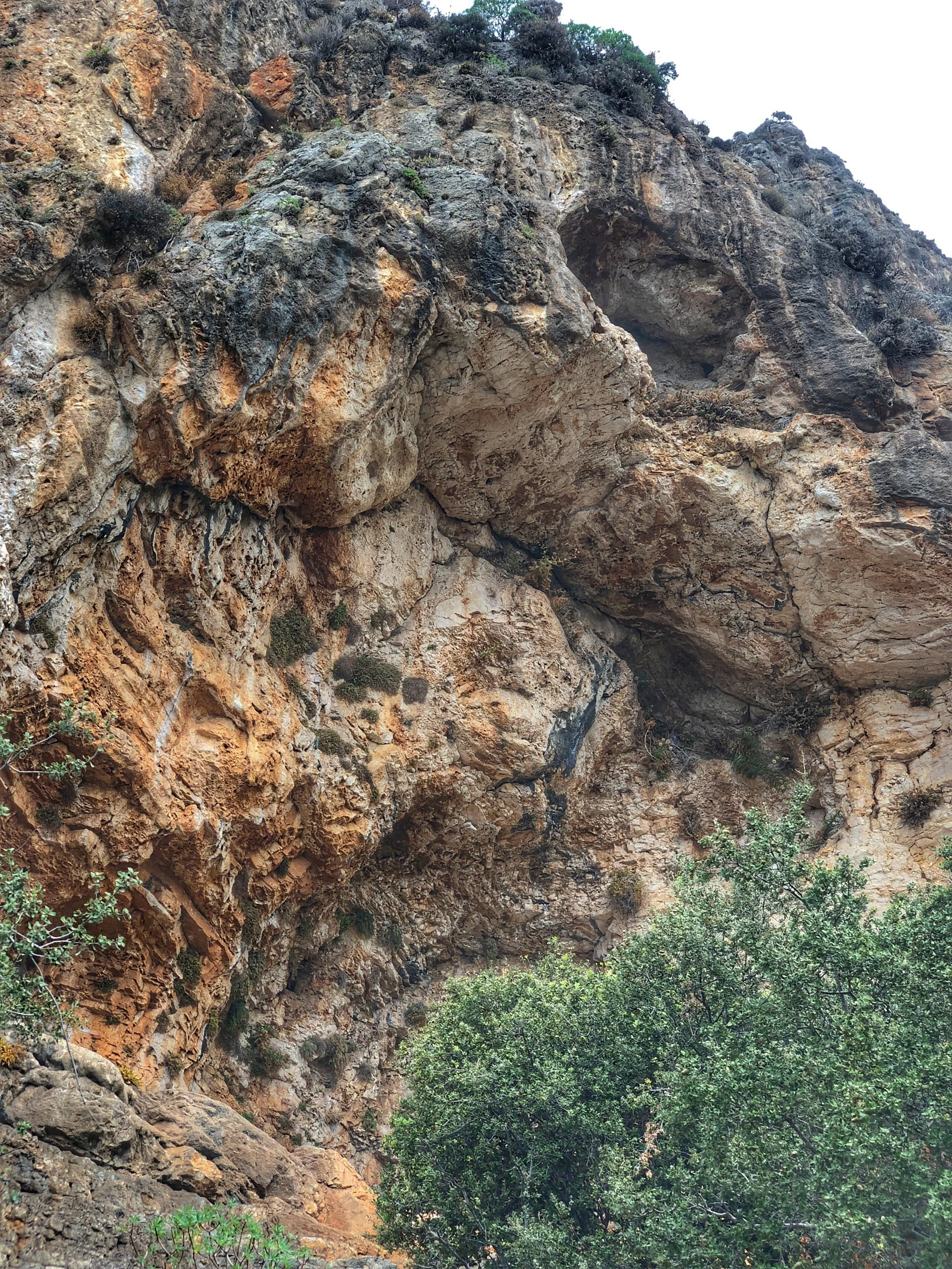
I found the track eventually, which turned out to be well-marked for those who cared to take notice.
I had decided I would try to find the lost old city of Phellos, supposedly located in the hills above a plateau, some 7 km by foot from Kaş. Well, lost it indeed was. Although I followed an Alltrails route, it proved a dead loss, as I bashed my way around dead-end trails, lost my phone for 45 minutes, then found it again hanging off a bush (by some pure stroke of luck), ran out of water, grew a blister on my heel, fell over and berated myself for not having studied the maps more closely. Where was this lost city? Was it as it was called? L O S T? Really?
I was almost lost.
After a 20-something km walk through farmland, mountain trails, picturesque rural villages, and brambled mountain-sides, I descended back into Kaş somewhat defeated, several hours later.
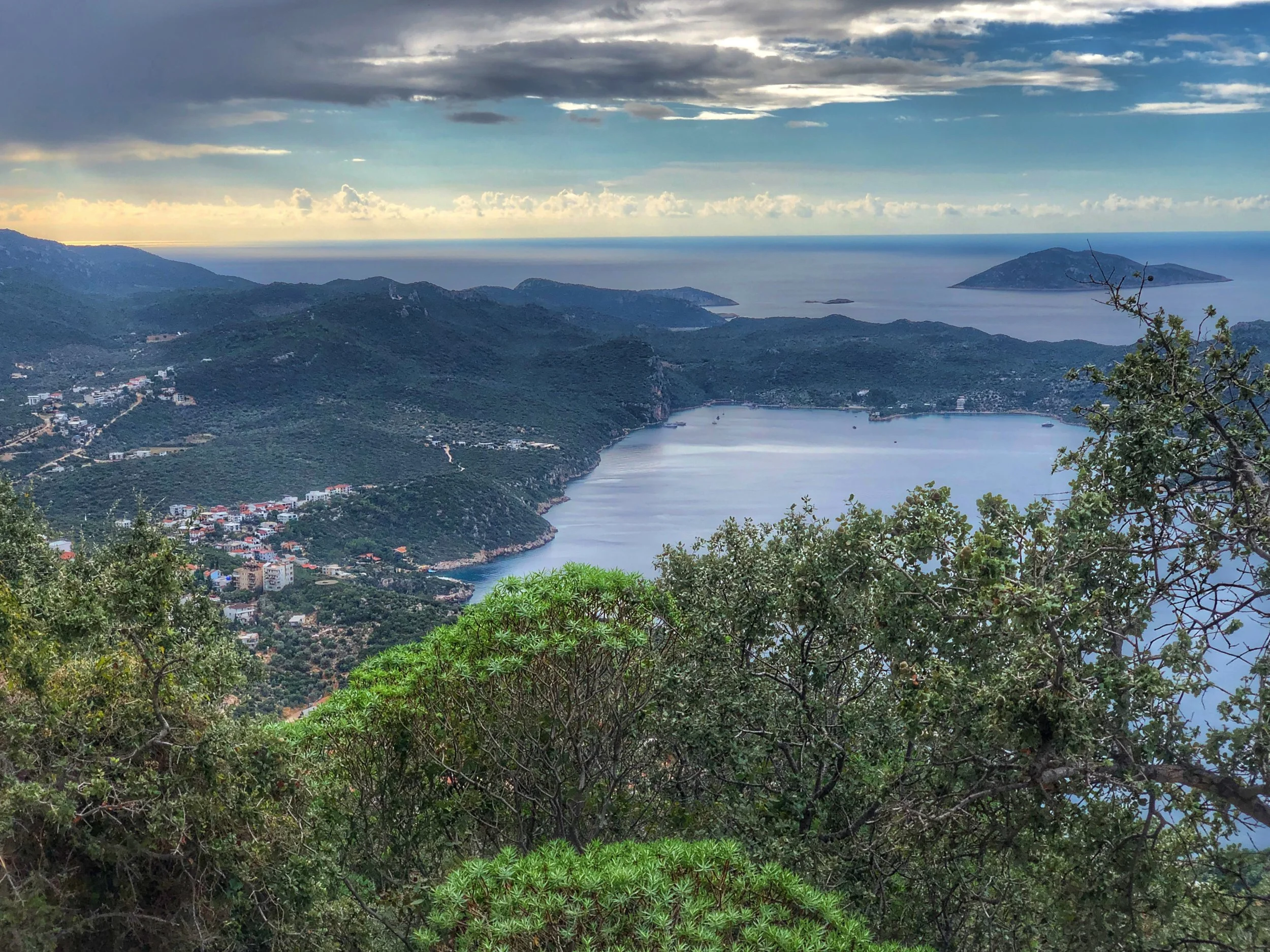
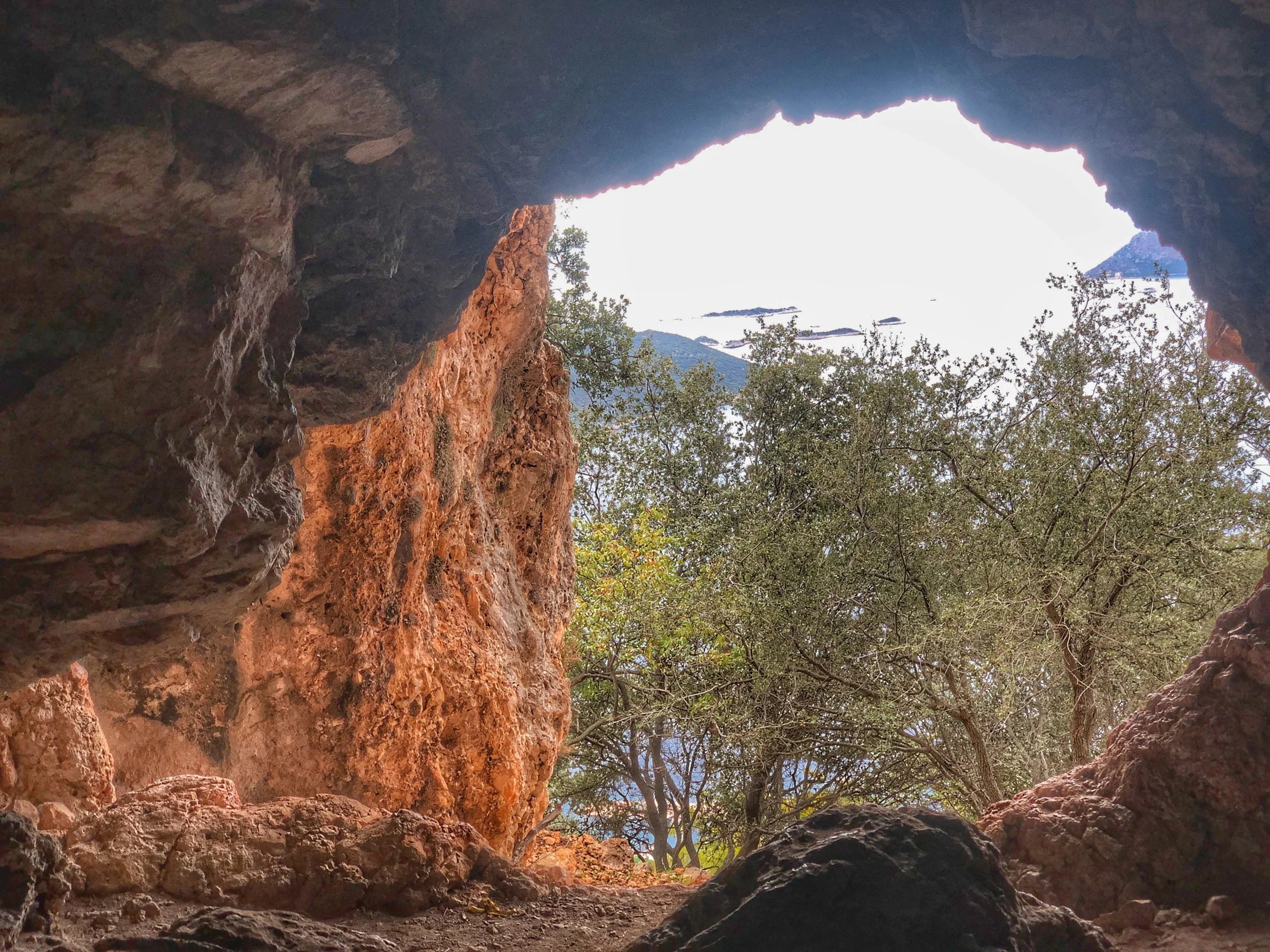
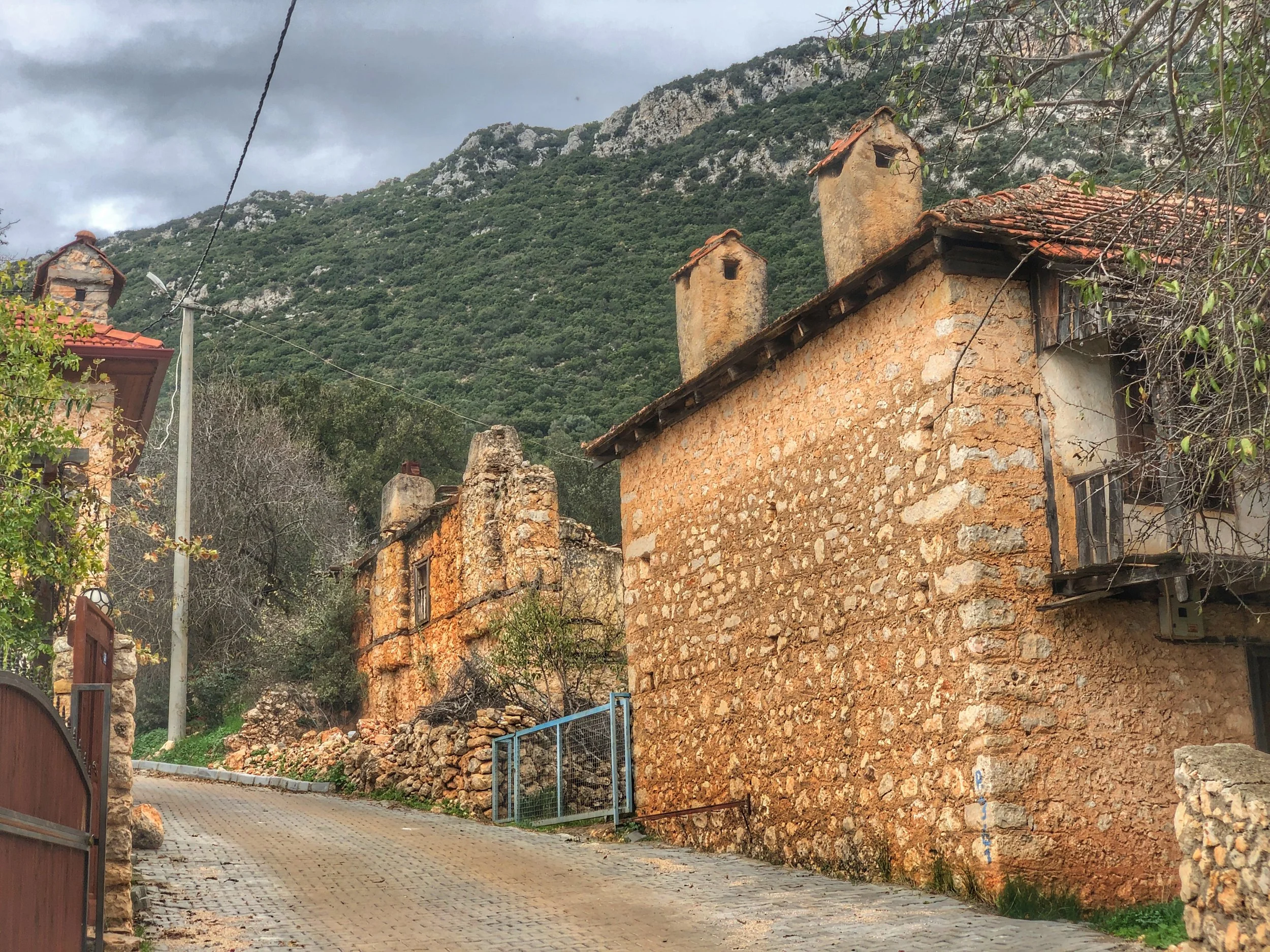
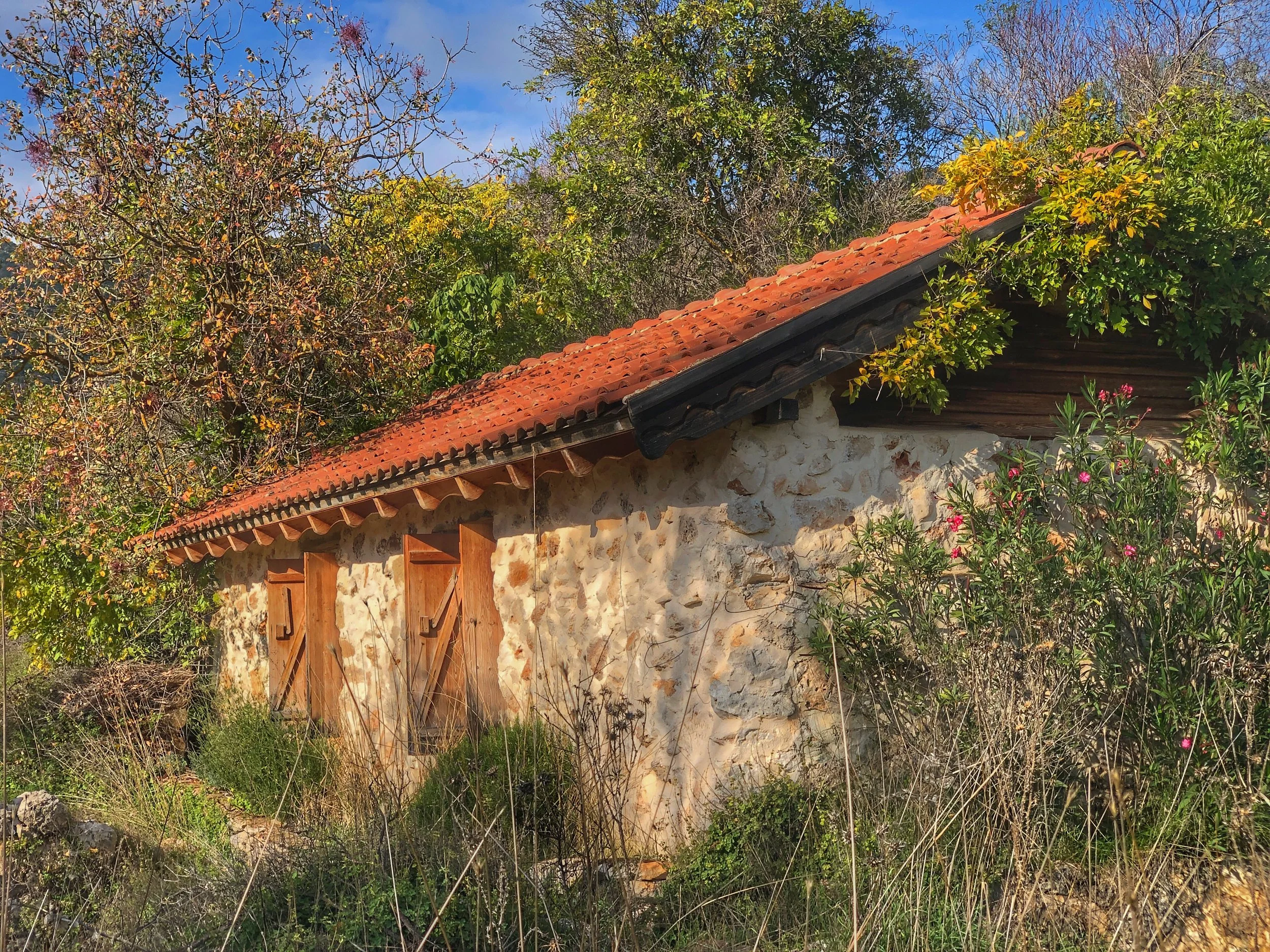
Phellos would remain forever lost to me. My friend Alain managed to find it a few days later by zipping up to it most of the way on a scooter! How could I go so wrong!
What I did get right, though, was choosing this area for hiking. What a spot! The terrain is steep, yet trails carve their way in all directions, providing accessible options for exploring, from gentle coastal ambles to more hardcore missions directly behind Kaş onto various peaks above.
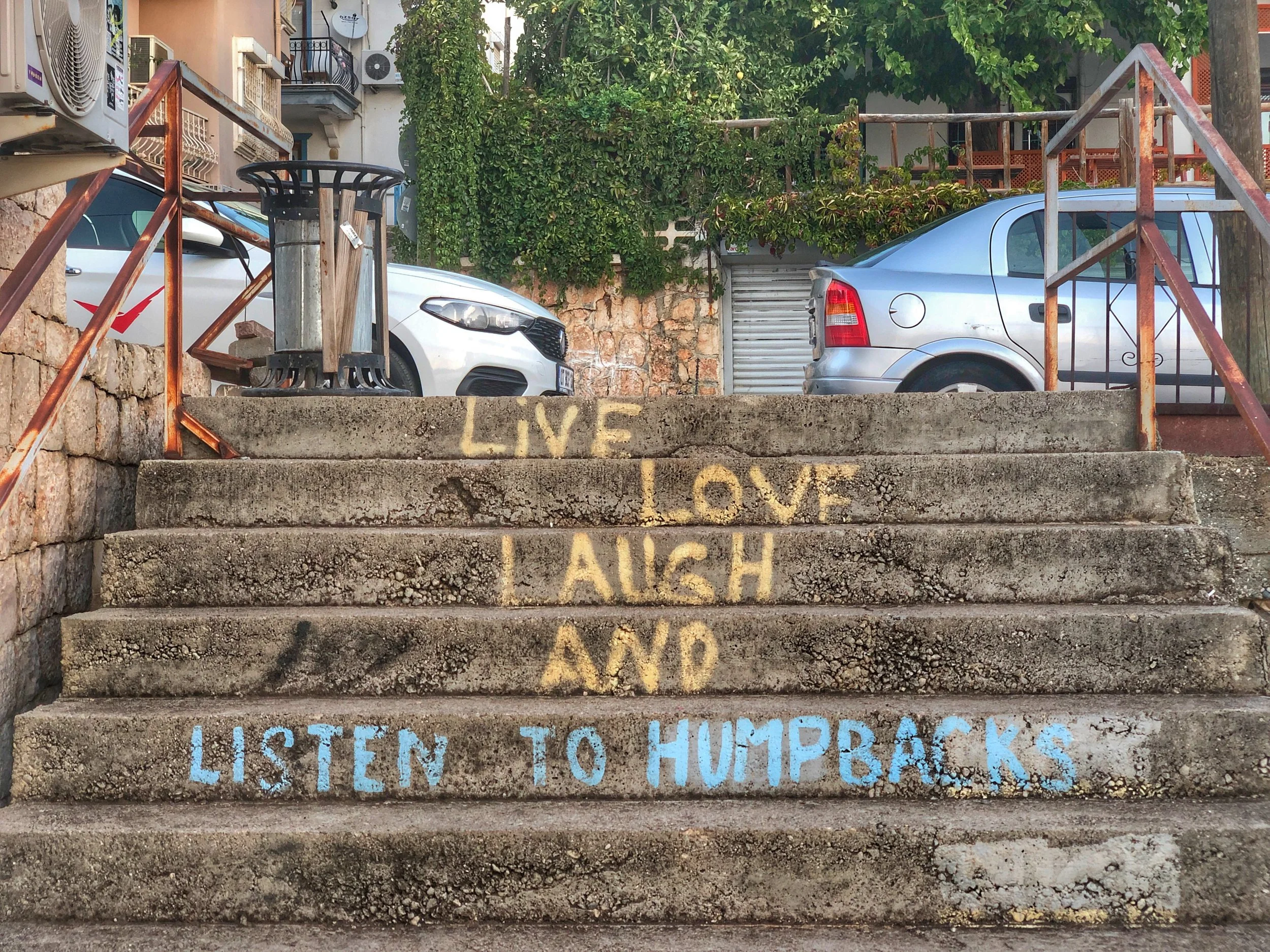
Aside from the obvious outdoor delights the area has to offer, the village itself is not short of fantastic eateries and wonderful shops brimming with locally made products - from leather shoes to elaborate soaps; olive oils to wine - Kaş has it all. I knew I had not stayed long enough to truly imbibe the wonderful atmosphere of the village, and I felt a strong sense of sadness as I drove out back towards Antalya and my flight back to Cairo. There was something about Kaş that had incited a sense of rootedness within me; I did not want to go.
How could life be so incredibly different, just a short plane ride across the ocean?
I have to go back.
How to get there:
From Cairo, I flew to Antalya on Turkish Airlines. This is a 45-minute flight at a cost of (in October 2025), of $210 NZD return, including 20 kg checked luggage.
I collected a rental car at the airport (was met outside), through First Rent a Car at $25 NZD a day, including full insurance and a refundable deposit.
I used Google Maps to navigate to Kaş - this was straightforward on very good, wide roads which were largely devoid of traffic apart from through urban areas. It took about an hour to drive right out of Antalya.
I booked my accommodation and flights through Wego.com
I purchased food from the local supermarket, as well as eating out.
You can catch a bus from Antalya to Kaş (thanks to my friend Alain for the tips here): Bus from Antalya main terminal to the Agullu station just out of Kaş, then a dolmus (shuttle) into Kaş. You can obtain a ticket for the bus through Obilet. The journey is about three hours.
There are numerous dive companies in Kaş to choose from. They typically have a season ending early October and picking up again once the sea is warmer.
The currency is Turkish Lira; however Euro is also accepted. I used my NZ debit card quite happily.